
PolyFlex TPU90 review: softer project goals, with setup time to allow
At a glance
Consider TPU90 when softness is the reason to change materials, and plan a small calibration project before buying several rolls.

The setup
- PolyFlex TPU90, nominal Shore 90A.
- Captured offer black 0.75 kg, 1.75 mm; qualified detailed customer evidence is white 90A.
Why consider it
- Matched 90A feedback includes successful small flexible projects.
- Softer formulation offers a clear alternative to 95A.
What to weigh up
- Profile tuning precedes the reported successful routine.
- Soft-filament feeding and conflicting care summaries need checks.
PolyFlex TPU90 is the softer choice in this group of named PolyFlex materials. That gives it a clear reason to exist alongside TPU95: the project needs a gentler flexible response. It is not a shortcut around the feeding and profile work that soft filament can require.
Start with the bend your part must make
The explicitly matched white 90A feedback describes successful phone cases and other small objects after finding the right configuration. The useful lesson is the sequence: calibration first, repeat projects afterward. There is not enough detail to promise a particular printer profile or finished stiffness.
Feeding deserves more attention than the color choice
Polymaker recommends a suitable direct-drive extruder for this soft formulation. Check the path between the drive gears and hotend before ordering. The detailed successful Bowden account visible on the pooled Amazon page is labeled high-flow 95A; it does not establish that TPU90 will behave the same way.
| Reason to choose TPU90 | Reason to pause |
|---|---|
| A softer grade serves the design. | The printer cannot provide a suitable soft-filament path. |
| A small trial and profile adjustment fit the schedule. | You need production-ready behavior without calibration. |
Why not copy the first review’s settings?
The listing pools 90A, standard 95A and HF experiences. Match the formulation in the review before using any setup detail. Even correctly matched settings are a starting point for a particular printer, not a universal recipe.
Resolve care instructions for the actual roll
The checked manufacturer store page contains inconsistent drying summaries: one section gives 70°C for eight hours and another gives 50°C for six. Follow the supplied roll’s current instructions or obtain clarification instead of selecting the hotter figure by default.
Choose this material for a noncritical trial of feel and fit. A successful case or toy project does not establish skin-contact approval, child safety or medical suitability for a finished object.
Pros & Cons Analysis
Based on supplied customer reviews and verified product documentation
Pros
- A useful route to a softer design. The matched white 90A experience progresses from configuration work to repeat small projects. Try the actual bend or contact feature; a successful phone case does not quantify cushioning or fatigue life.
- The material choice has a specific purpose. The manufacturer’s 90A grade gives a reason to consider it when a firmer TPU does not suit the intended feel. Printed geometry still determines the response of the part.
Cons
- The initial setup is part of the purchase. The qualified experience explicitly mentions finding the correct configuration. Allow a short trial rather than assuming another PolyFlex profile transfers unchanged.
- Compatibility and care are not settled by the family name. Manufacturer feeding guidance favors direct drive, and its drying summaries conflict. Match the roll and instructions before a drying cycle.
Try the feature that needs to be softer
Choose TPU90 because the part needs its softer grade, then validate one representative feature before scaling up.
I only want easier TPU printing
Softness alone does not make feeding easier. Compare the printer requirements of other grades before switching.
The sample bends correctly
Check installation, return to shape and the intended contact surface on the full geometry. Keep the working profile with that spool.
Frequently Asked Questions
Does the Bowden success on the Amazon page apply to TPU90?
The detailed captured account is labeled clear HF 95A. It is excluded from TPU90 feeding conclusions.
Technical Specifications
| Product type | Flexible TPU filament |
|---|---|
| Formulation | Polymaker PolyFlex TPU90; not TPU95 or TPU95-HF |
| Nominal Shore hardness | 90A |
| Filament diameter | 1.75 mm |
| Reviewed package | Black 0.75 kg; qualified feedback white 0.75 kg |
| Manufacturer nozzle guidance | 210–230°C |
| Manufacturer bed guidance | 25–60°C |
| Feeding compatibility | Manufacturer recommends suitable direct drive; pooled HF Bowden experience excluded |
| Drying and storage | Primary page conflict: 70°C/8h versus 50°C/6h; confirm current supplied-roll instructions |
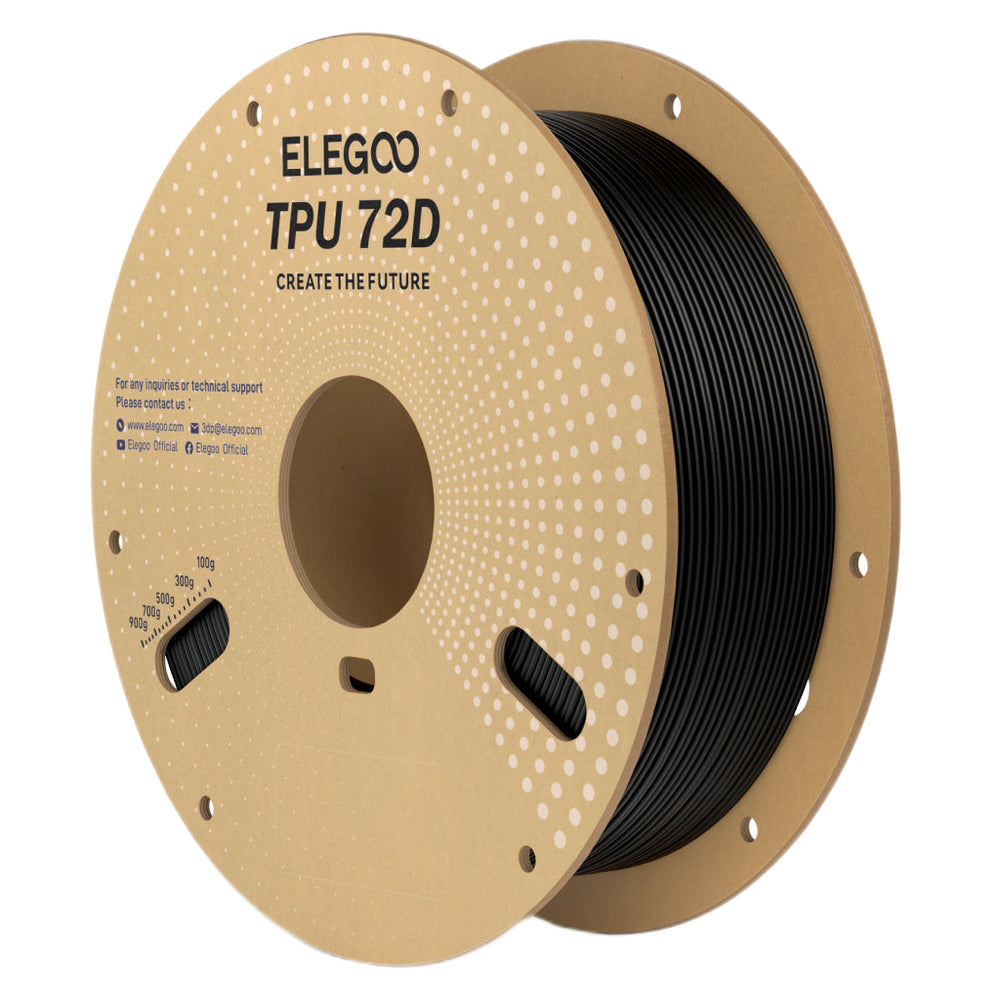
ELEGOO TPU 72D
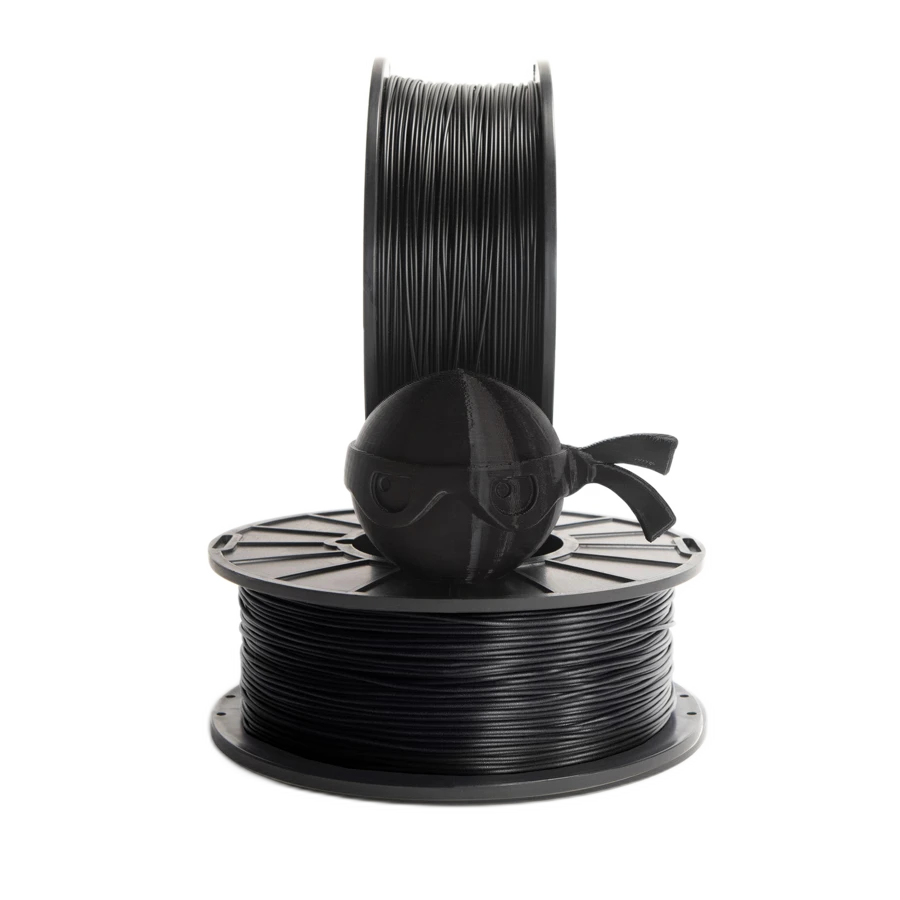
NinjaFlex 85A
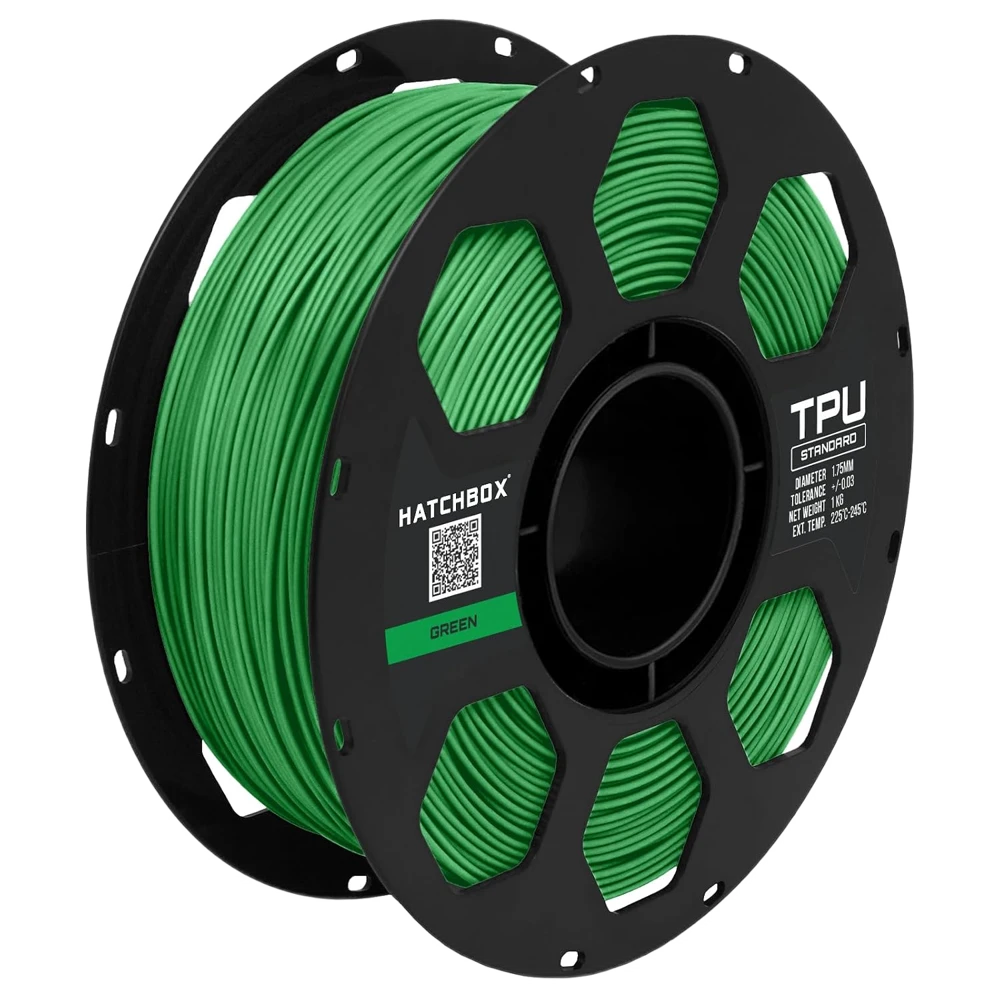
HATCHBOX TPU 95A

SUNLU TPU 90A