
NinjaFlex 85A review: buy the softness, check the supplied roll
At a glance
A notably soft flexible-filament option, with historical handling and packaging complaints that make preparation part of the buying decision.
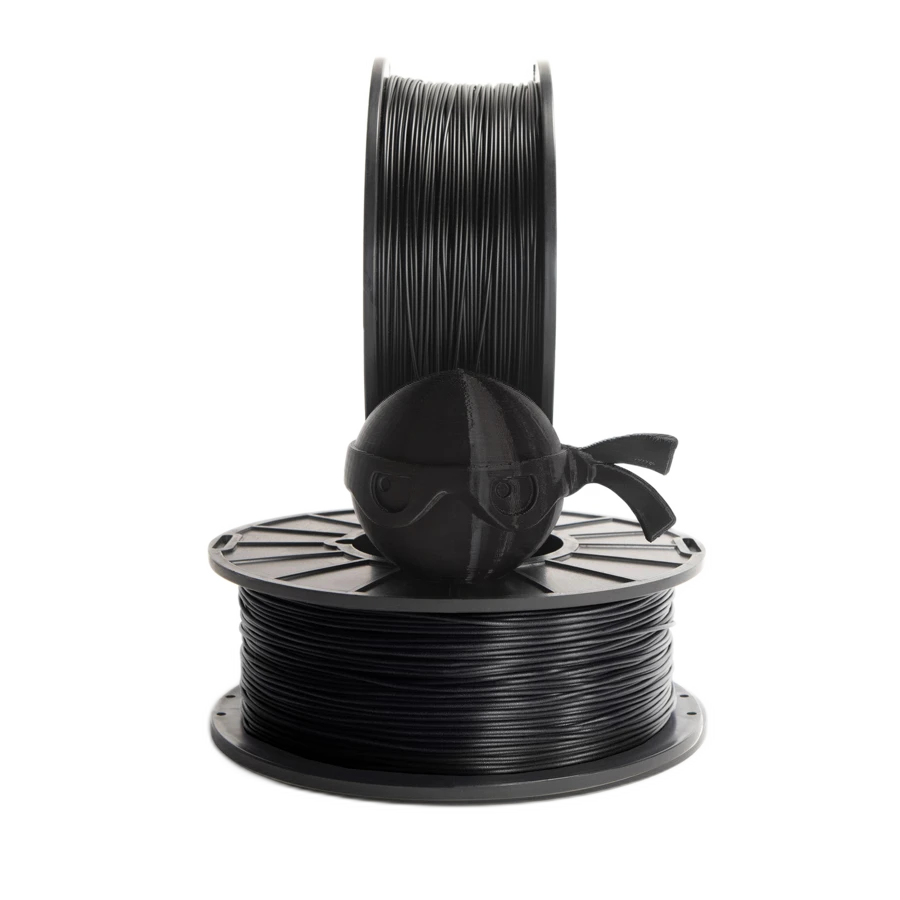
The setup
- NinjaFlex nominal Shore 85A.
- Selected Midnight Black 1.75 mm, 1 kg, 3DNF0117510.
- Current manufacturer nozzle guidance 225–250°C.
Why consider it
- Soft, rubber-like printed parts are a recurring useful result.
- Good results are possible after learning the material.
What to weigh up
- Historical packaging complaints add preparation uncertainty.
- Historical dimensional-variation reports warrant inspection.
- This soft material may require more tuning than a familiar firmer TPU.
When a softer part is the actual requirement
The useful NinjaFlex feedback repeatedly describes a soft, rubber-like result. That is the central reason to consider its nominal 85A material instead of selecting TPU only by price. Final part feel still depends on the geometry and print construction; Shore hardness does not specify how a particular printed shape will compress.
Separate the historical complaints
| Concern | What the available history says |
|---|---|
| Short rolls | An older complaint was explicitly updated after many subsequent full rolls. Do not present the original shortage as an unresolved current pattern. |
| Packaging and drying time | Several historical accounts describe loose or incompletely sealed packaging and extra preparation. |
| Diameter variation | A historical update describes variable diameter and failed jobs. It is significant historical evidence, not a measured defect rate for today’s shipment. |
These reports span several production periods. Inspect the actual current offer and received packaging rather than assuming the old seller, spool and handling conditions remain unchanged.
Pros & Cons Analysis
Based on supplied customer reviews and verified product documentation
Pros
- The softness answers a real material need. The reports emphasize flexibility rather than merely a decorative finish. Consider NinjaFlex when that property is essential, and test the intended geometry rather than relying on a hardness number alone.
- Initial difficulty need not rule it out. A detailed account describes becoming comfortable with the material after a learning period, while others found printing straightforward. The difference points to setup dependence rather than guaranteed ease.
Cons
- Allow time between delivery and production. Multiple older accounts describe packaging that prompted drying before use. Verify the actual shipment, since the historical record cannot establish current packing practice.
- A serious historical consistency issue remains relevant. The historical diameter complaint describes failed production prints. Retain it as a reason to investigate visible variation, not a claim that the current product universally has that defect.
- Plate release deserves a deliberate choice. A historical title warns of PEI marking. Follow your plate maker’s flexible-material release guidance instead of adopting an unverified one-size-fits-all tape remedy.
Choose NinjaFlex only when you need its kind of softness
NinjaFlex is a reasonable candidate when soft flexible behavior matters enough to justify a careful setup and roll inspection. Compare current delivered pricing, since the old price complaints are not current quotes.
A firmer flexible part would work
Compare a compatible firmer TPU before paying specifically for softness you do not need.
I need to print immediately on delivery
Leave room for inspection and preparation. Historical packaging feedback makes a zero-preparation assumption unwise.
Frequently Asked Questions
Are the shortage complaints still unresolved?
The detailed shortage account was updated to report many subsequent full rolls. The earlier complaint should not be presented without that correction.
Does 85A specify how soft my printed part will feel?
It describes nominal material hardness. Shape, walls and internal structure also affect the behavior of the finished part.
Technical Specifications
| Product type | Flexible TPU filament |
|---|---|
| Formulation | NinjaTek NinjaFlex |
| Nominal Shore hardness | 85A |
| Filament diameter | 1.75 mm |
| Reviewed package | Midnight Black 1 kg; 3DNF0117510 |
| Manufacturer nozzle guidance | 225–250°C on current printing guide; follow supplied safety/profile instructions |
| Manufacturer bed guidance | Room temperature to 50°C |
| Feeding compatibility | Verify printer support for soft 85A material |
| Drying and storage | Exact current drying cycle not verified; follow manufacturer guidance |

colorFabb varioShore TPU
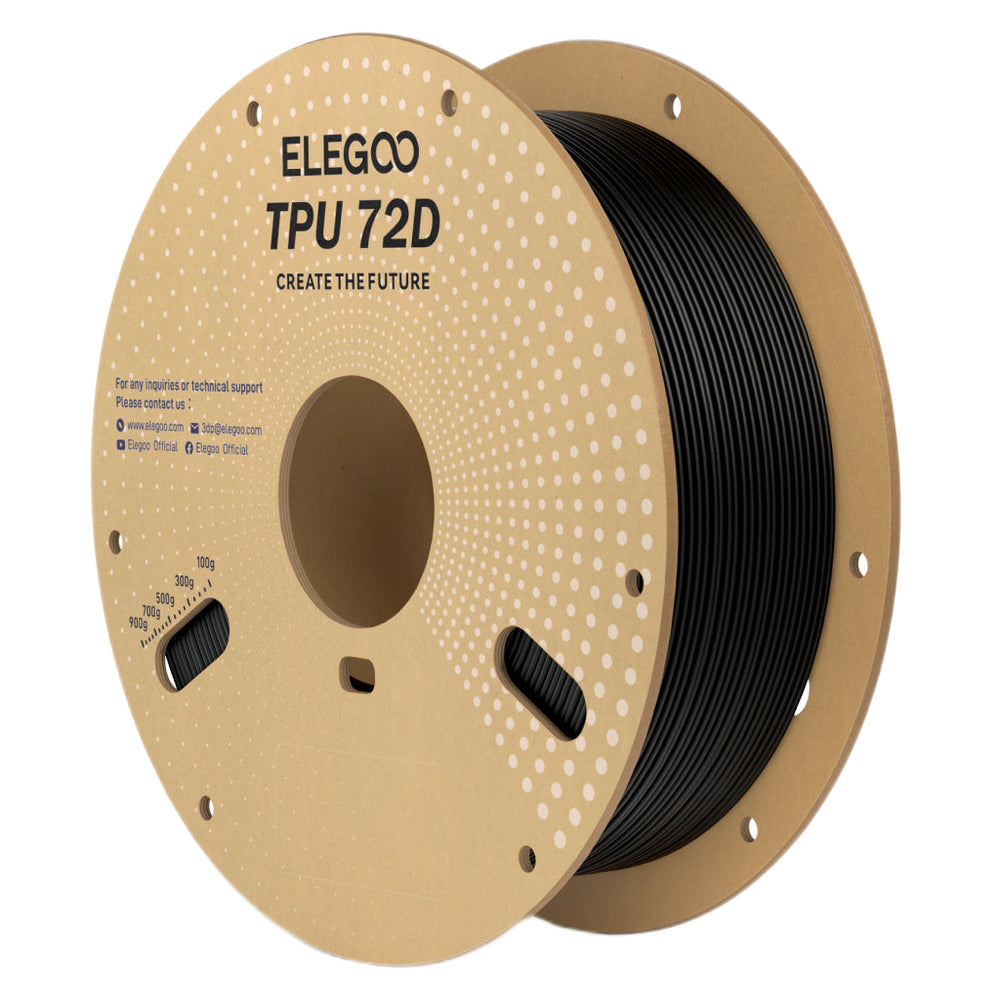
ELEGOO TPU 72D
SUNLU TPU 95A
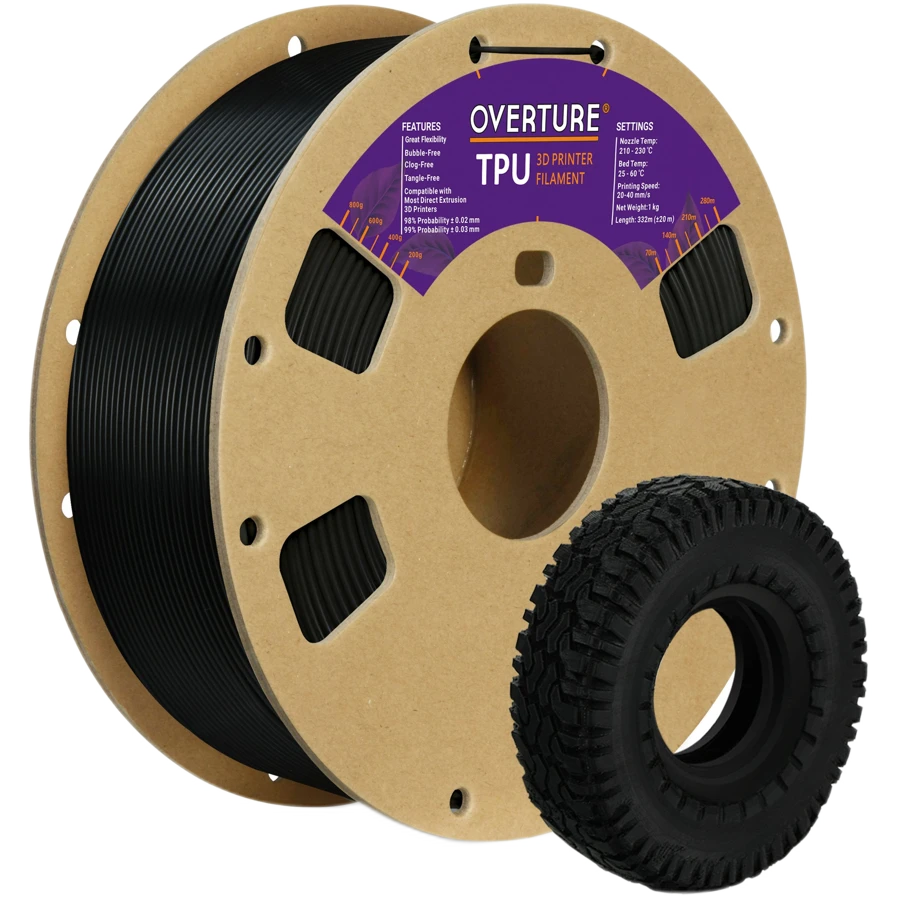
Overture TPU 95A