Layer & BenchMATERIALS. TOOLS. BETTER PRINTS.
⇄ Compare products
DryingStoragePLA & PLA+PETGBuild platesNozzlesTPUNylonABS & ASA
ReviewsBuying guidesLearnComparisonsSaved ♡

Filament drying one decision at a time.

Learn how to recognize possible moisture problems, plan a drying cycle and interpret humidity readings. Keep the filament, spool and equipment instructions together.

Filament drying one decision at a time.
  • All
  • ABS & ASA Filaments
  • Build Plates
  • Filament Dryers
  • Filament Storage
  • Filament Tools
  • Flexible Filaments
  • Nozzles & Hotends
  • Nylon Filaments
  • PET Filaments
  • PETG Filament
  • PLA Filament
  • Polycarbonate Filaments
  • Support Filaments
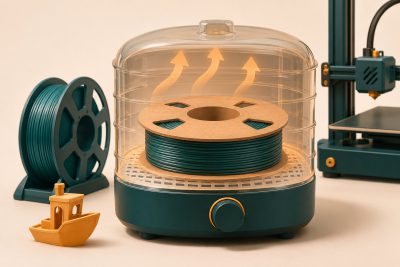
Dryer Timer vs Humidity Mode: What Happens After a Cycle? — conceptual illustration

Dryer Timer vs Humidity Mode: What Happens After a Cycle?

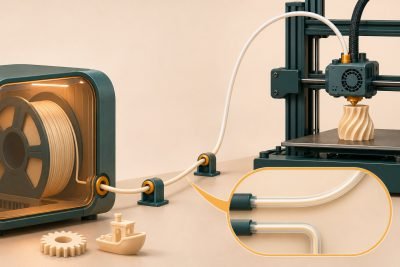
Printing from a Dryer: Plan a Low-Resistance Feed Route — conceptual illustration

Printing from a Dryer: Plan a Low-Resistance Feed Route

Will Your Filament Spool Fit Inside a Dryer? — conceptual illustration

Will Your Filament Spool Fit Inside a Dryer?

Can You Dry Filament on a Cardboard Spool? — conceptual illustration

Can You Dry Filament on a Cardboard Spool?

Conceptual filament spools organized into separate drying groups

Can You Dry Different Filaments Together? Plan by Program, Not Spool Count

Conceptual filament dryer, blank energy meter and notebook

Filament Dryer Electricity Cost: Estimate a Cycle, Then Measure It

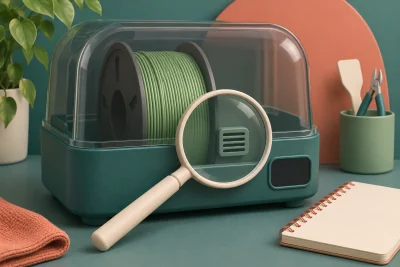
Illustration of a magnifying glass examining a generic dryer sensor area.

Why Is My Filament Dryer Humidity Not Dropping?

Conceptual illustration of an active filament dryer beside a passive sealed storage box.

Filament Dryer vs Dry Box

Illustration of a spool, open dryer, instruction booklet, timer and waiting storage box.

How to Dry 3D Printer Filament

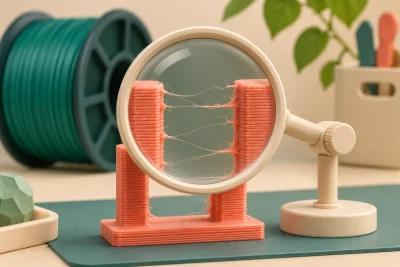
Conceptual illustration of magnified stringing on a small printed sample.

How to Tell Whether Filament Is Wet

Categories

View All →

ABS & ASA Filaments

Build Plates

Filament Dryers

Filament Storage

Filament Tools

Flexible Filaments

Nozzles & Hotends

Nylon Filaments

PET Filaments

PETG Filament

PLA Filament

Polycarbonate Filaments

Support Filaments

Frequently Asked Questions

Where should I start when I suspect wet filament?

Record the symptom and storage history. Popping, bubbles or a deteriorating finish can point to moisture, but symptoms are not a complete diagnosis. Use the moisture guide before changing several settings at once. See Polymaker moisture guidance.

Does reaching the set temperature mean drying is finished?

No. Warm-up and the prescribed drying cycle are different stages. Follow the equipment instructions and the material-specific duration instead of ending a cycle as soon as the display reaches its target. See Prusa drying guidance.

What should I record when troubleshooting a drying routine?

Note the exact material and color, spool type, dryer mode, cycle duration and print profile. Compare the same small print before and after a documented change so that the result is easier to interpret.

Can I increase the temperature to finish sooner?

Do not substitute extra heat for the specified cycle. Excessive temperature can soften filament; the spool also has its own limits. Follow the documented combination of temperature, time and equipment. See Prusa drying guidance.

Layer & Bench

Find the right materials and gear
for better 3D prints.

A RESEARCH-BASED PRINTING RESOURCE

Explore

DryingStoragePLA & PLA+PETGBuild platesNozzlesTPUNylonABS & ASA

Make a decision

Product reviewsBuying guidesModel comparisonsPractical guides

Behind the articles

Our approachEditorial disclosureContact & correctionsPrivacy
© Layer & Bench

As an Amazon Associate I earn from qualifying purchases.

Compare your shortlist ↗