
EIBOS Series X Easdry review: basic controls with operating concerns
At a glance
The dial-based single-roll format is straightforward, but the owner evidence calls for careful first-use and feed-path checks.
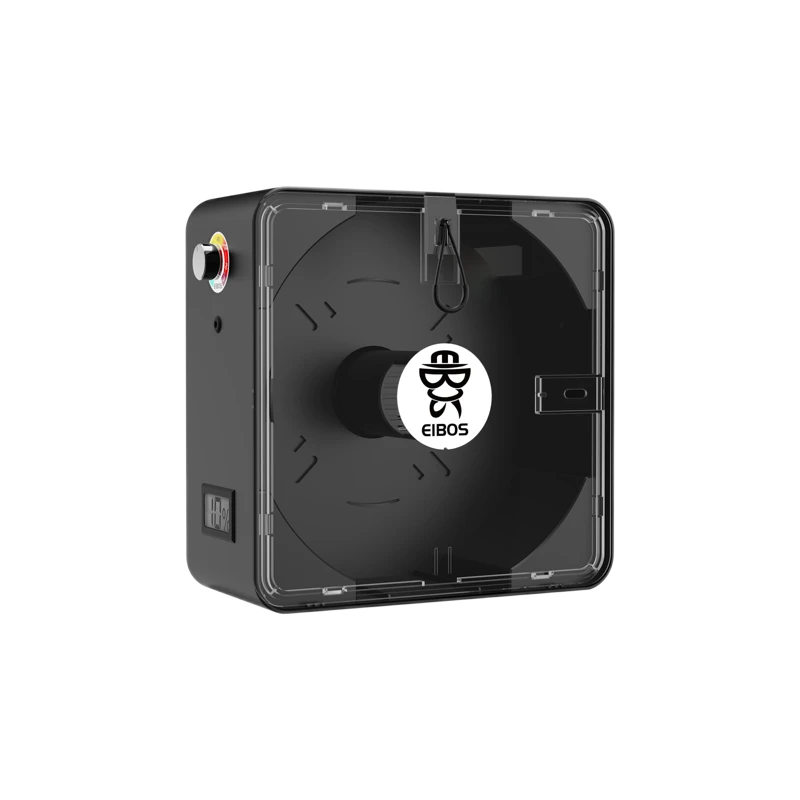
The setup
- EIBOS Series X Easdry; historical owner revisions not established
- Single spool
- 40–65°C dial control
Why consider it
- Direct controls suit users who dislike menus
- Continuous use can fit a long print
What to weigh up
- A timed finish is not part of this simple workflow
- Heat-related owner reports are significant contrary evidence
- Handling and noise are not uniformly praised
Easdry’s dial and switch appeal to buyers who do not want menus or a programmed stopping point. That simplicity also leaves the end of the drying session in the operator’s routine. It is a consequential choice, not just a preference for one style of control.
Decide who ends the session
The appeal of continuous operation
Favorable continuous-use feedback explains the appeal of leaving the dryer running for a long preparation-and-feeding session. If you instead want to select a duration and have the cycle end, the lack of a built-in timer works against that requirement.
The unresolved heat concern
There is a more serious reservation than interface preference: reports of fused filament and wear during prolonged operation. Their cause and exact production revision are unresolved. We would not choose Easdry as an uncomplicated first dryer on the strength of its simple controls while those concerns remain.
A dial is not a measurement of the loaded spool
Use the exact manual and the filament manufacturer’s limits to establish the permitted operation. Individual customer measurements do not certify accuracy, and favorable results with one material do not justify extending the same routine to another.
Adding a timer, altering the heater or copying roller modifications is not a remedy established by this review. An existing unit behaving abnormally needs manufacturer troubleshooting. For a new purchase, the Easdry versus S2 comparison weighs this manual routine against display-led settings and a different set of feeding concerns.
Pros & Cons Analysis
Based on supplied customer reviews and verified product documentation
Pros
- Direct controls without menu navigation. The switch-and-dial interface suits a straightforward drying routine. It avoids programming overhead, although mechanical simplicity alone does not establish a longer service life.
- A cycle need not end with a built-in countdown. Continuous operation can fit a long drying-and-feeding session when the material instructions permit it. It still requires an appropriate monitoring routine and is not a reason to exceed a filament or spool limit.
Cons
- No built-in timed finish. The simple controls do not provide a programmed end time. If a defined countdown is important to your workflow, choose equipment that supports it directly.
- Heat-related damage is a material concern. Possible fused coils and damage near the heater make this a cautious choice for heat-sensitive loads. The cause and relevance to every hardware revision are unresolved; simple controls should not be mistaken for protection against unsuitable operating conditions.
- Door, latch and fan behavior can detract from simplicity. A fiddly door, vulnerable cord latch or developing fan noise can make regular use less pleasant than the basic controls suggest. Consider those handling details when planning a station near your desk.
Simple controls still need a clear stopping point
We would not put Easdry’s manual convenience ahead of its unresolved heat-related complaints for a straightforward first purchase.
Are you buying a dryer or managing one you own?
I am choosing my first dryer
If a defined timed cycle is important, consider another model. The Easdry versus S2 comparison explains the different operating routines and their reservations.
I already own an Easdry
Use the exact manual and seek manufacturer support for abnormal behavior. Customer modifications do not establish a repair or a suitable drying schedule.
Frequently Asked Questions
Does the Easdry review establish a safe setting for every material?
No. Use the exact filament and spool instructions within the dryer’s documented operating range. Owner anecdotes are not a universal drying schedule.
Technical Specifications
| Product type | Standalone filament dryer |
|---|---|
| Reviewed configuration | EIBOS Series X Easdry; historical owner revisions not established |
| Drying capacity | Single spool |
| Heat control | 40–65°C dial control |
| Printing from the dryer | Supported for the documented filament diameter |
| Humidity behavior | Owner display readings are not direct filament moisture |
| Fit and measurement basis | Manufacturer lists 1.75 mm filament; broader marketplace claim not adopted |
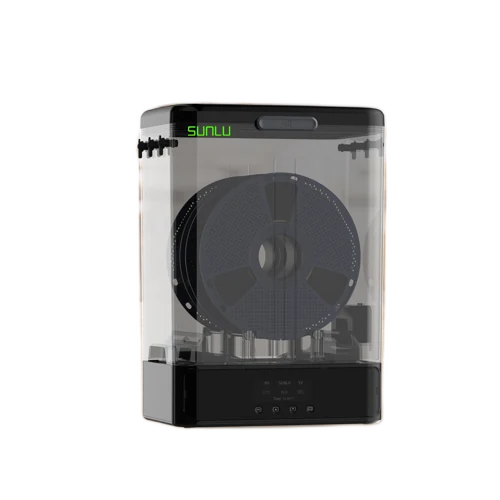
SUNLU SP2

Creality SpacePi X4L
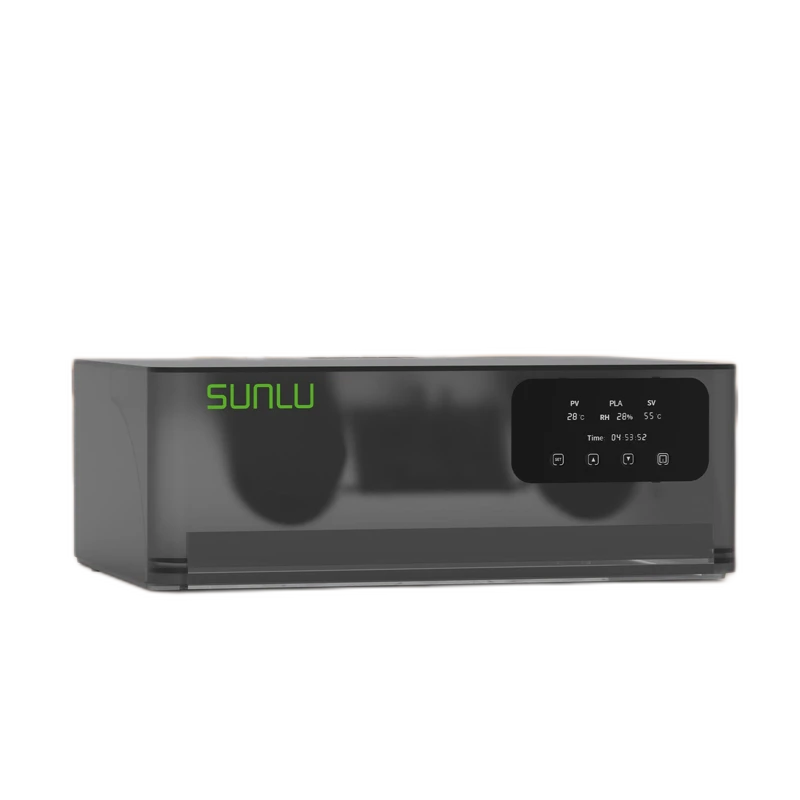
SUNLU AMS Heater
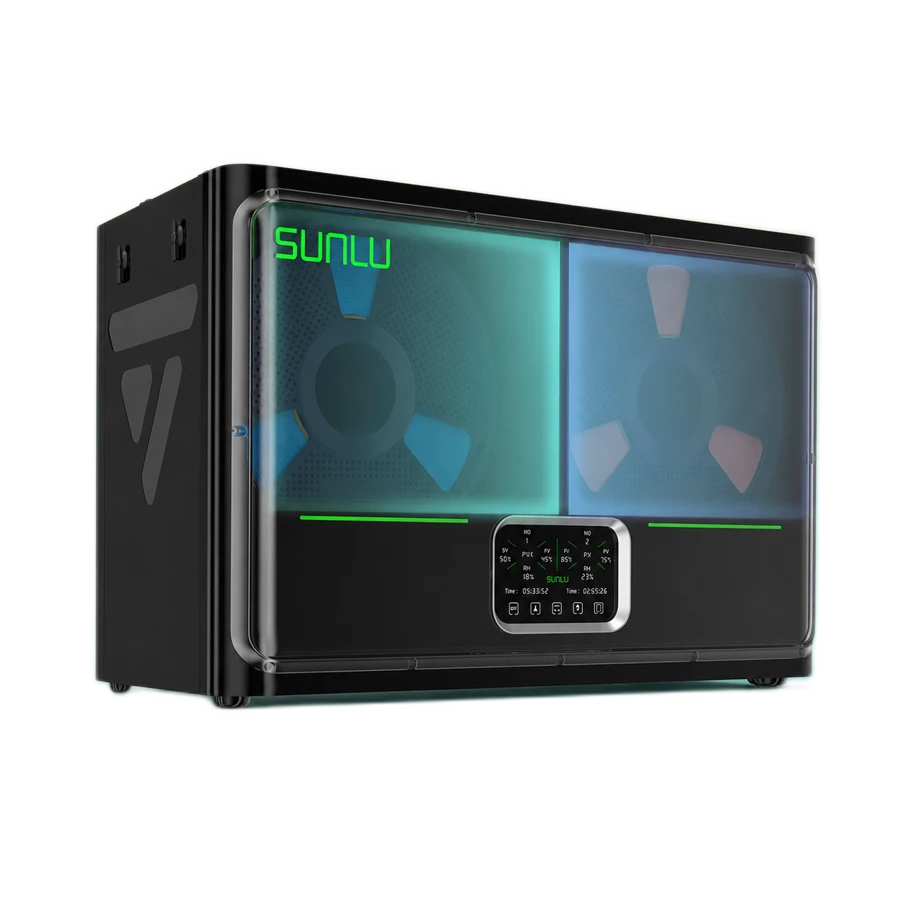
SUNLU FilaDryer S4 Pro