
Prusa Satin sheet review: a PETG-friendly swap with a finer bottom finish
At a glance
A useful PETG-focused sheet choice when easy release matters more than a completely glossy underside.

The setup
- Double-sided flexible steel sheet with satin powder-coated PEI.
- Lightly textured printed underside.
- Reviewed CORE One/MK-family sheet; other sizes sold separately.
Why consider it
- Encouraging PETG hold-and-release experience.
What to weigh up
- Coating needs its own cleaning and handling routine.
- Tiny PLA parts may still need a brim.
The strongest reason to consider Prusa’s Satin sheet is a recurring PETG workflow. The available MK4S experience describes a useful combination: the part holds during printing and releases easily afterward. That is a more relevant buying question than simply asking which sheet has the most grip.
Decide what you want from the underside
Satin leaves a lightly textured finish. If the bottom face is visible, that finish is part of the design decision, not a defect to remove later. Compare a sample underside with the appearance you want before replacing a sheet that already works.
Printing mainly PETG
The positive MK4S result supports trying Satin when removal from Smooth PEI is troublesome. It does not prove every PETG blend will release equally well.
Printing small PLA pieces
Prusa notes that a brim may be needed. Keep that extra footprint in mind if your plate is crowded with small parts.
A sheet change is a workflow change
Buy the sheet format for your printer. CORE One/MK-series compatibility should not be confused with the separate MINI or XL sizes. Then check whether the printer requires a different sheet profile or first-layer adjustment.
What the positive PETG result cannot settle
The first-page feedback is one short account. It gives a clear reason to consider this sheet, but does not establish coating lifespan, scratch resistance in everyday use or a failure rate. If your present sheet already produces the desired finish and releases reliably, this evidence does not justify replacing it just to own another surface.
Pros & Cons Analysis
Based on supplied customer reviews and verified product documentation
Pros
- The useful improvement is at removal. The MK4S feedback describes secure PETG printing followed by an easy release compared with the smooth sheet. This supports a PETG-focused switch, with no basis for a universal adhesion ranking.
Cons
- Care requirements affect convenience. Prusa excludes acetone and warns against scratching the coating. A familiar cleaning habit or metal removal tool can therefore be the wrong choice for this surface.
- A broad material list does not settle every geometry. The manufacturer notes that small PLA objects may need a brim. Budget the extra space and cleanup for those jobs.
Choose Satin for the job you repeat
For a compatible Prusa printing PETG regularly, Satin is a sensible surface to consider when release is the problem. Keep Smooth PEI if its finish and your existing routine already suit the work.
My PETG part sticks too strongly to Smooth PEI
Check the material’s surface guidance and trial Satin with a representative part. Assess both the first-layer hold and removal after cooling.
I mostly print tiny PLA objects
Compare the brim and finish tradeoffs first. The PETG benefit alone does not establish a better PLA workflow.
Frequently Asked Questions
Is Satin the same as textured PEI?
No. Prusa positions Satin between its smooth and textured sheets, with a finer surface texture.
Does it remove the need for glue with every material?
No. Follow the exact material-and-sheet preparation guidance; broad compatibility is not a universal no-glue promise.
Technical Specifications
| Product type | Replacement build plate |
|---|---|
| Reviewed configuration | Prusa Satin sheet |
| Printer / physical fit | CORE One / MK-series offer; verify exact printer selection |
| Surface | Satin powder-coated PEI; Double-sided flexible spring steel |
| Material compatibility | Manufacturer supports PETG; one positive MK4S customer account |
| Temperature guidance | Follow Prusa’s exact material and sheet instructions |
| Profile / identification | Sheet-specific calibration may be required on non-loadcell printers |
| Cleaning / release | No acetone; clean cool surface according to Prusa instructions |
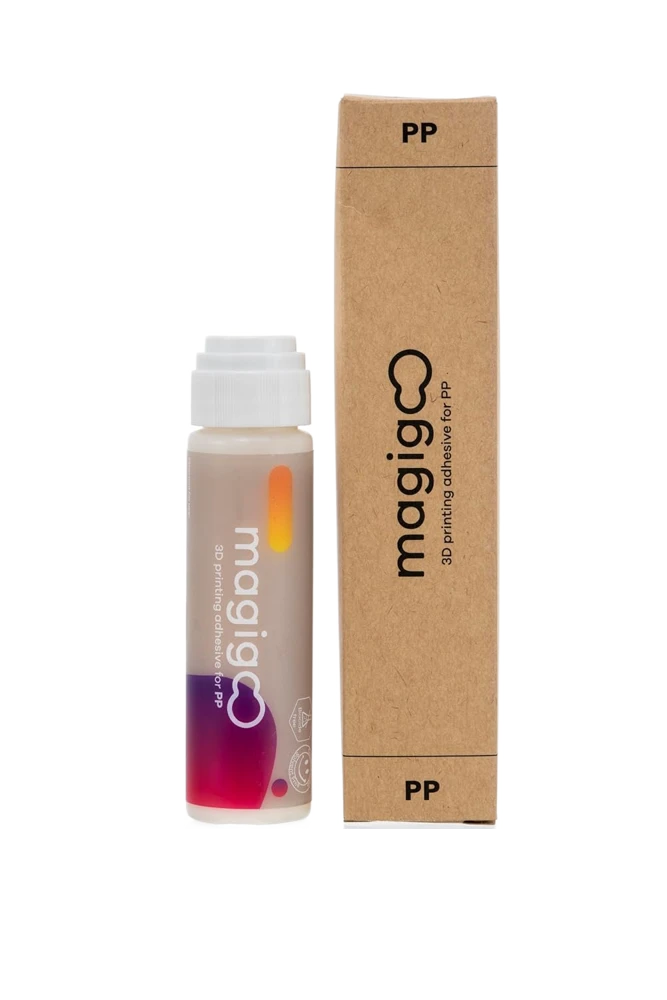
Magigoo PP
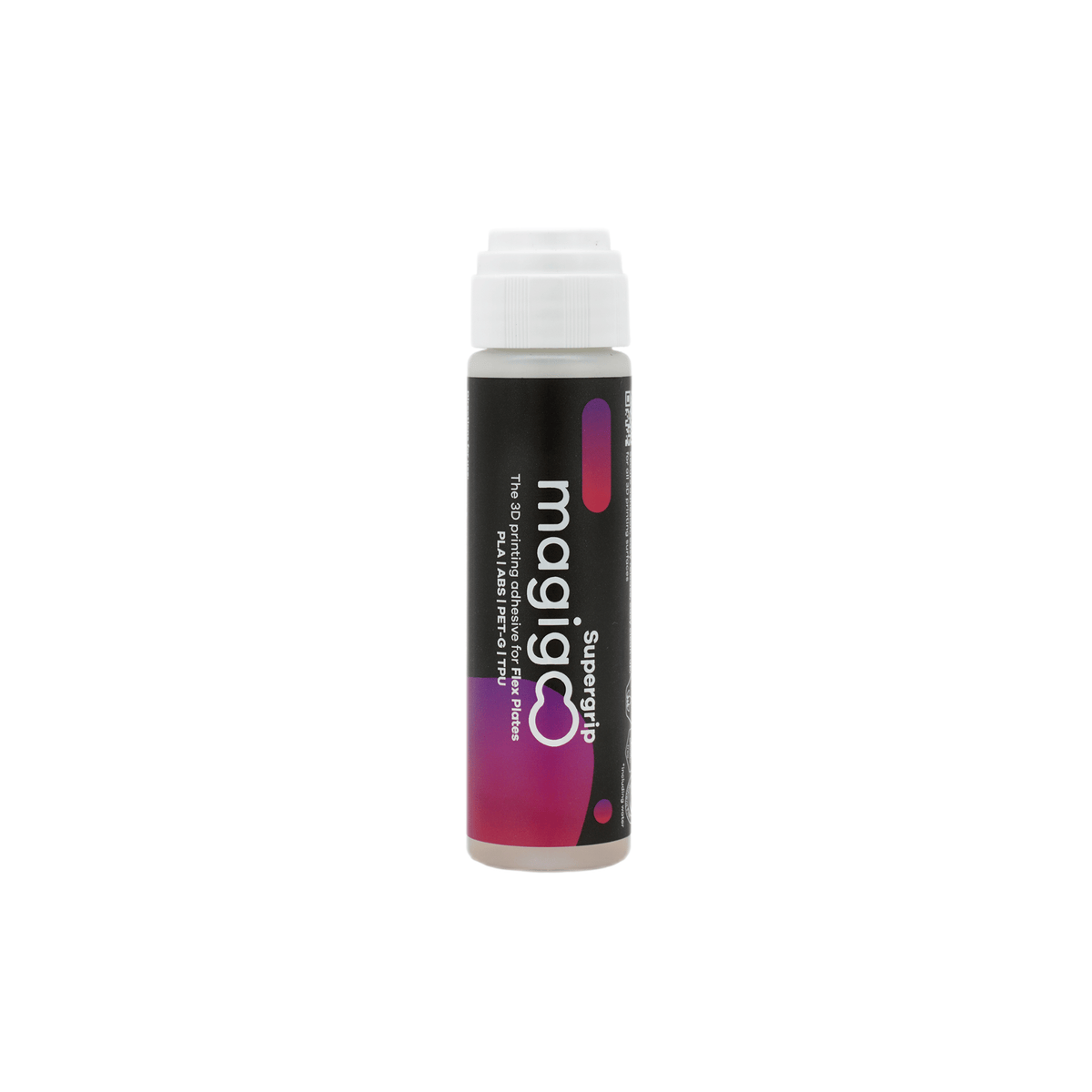
Magigoo Supergrip
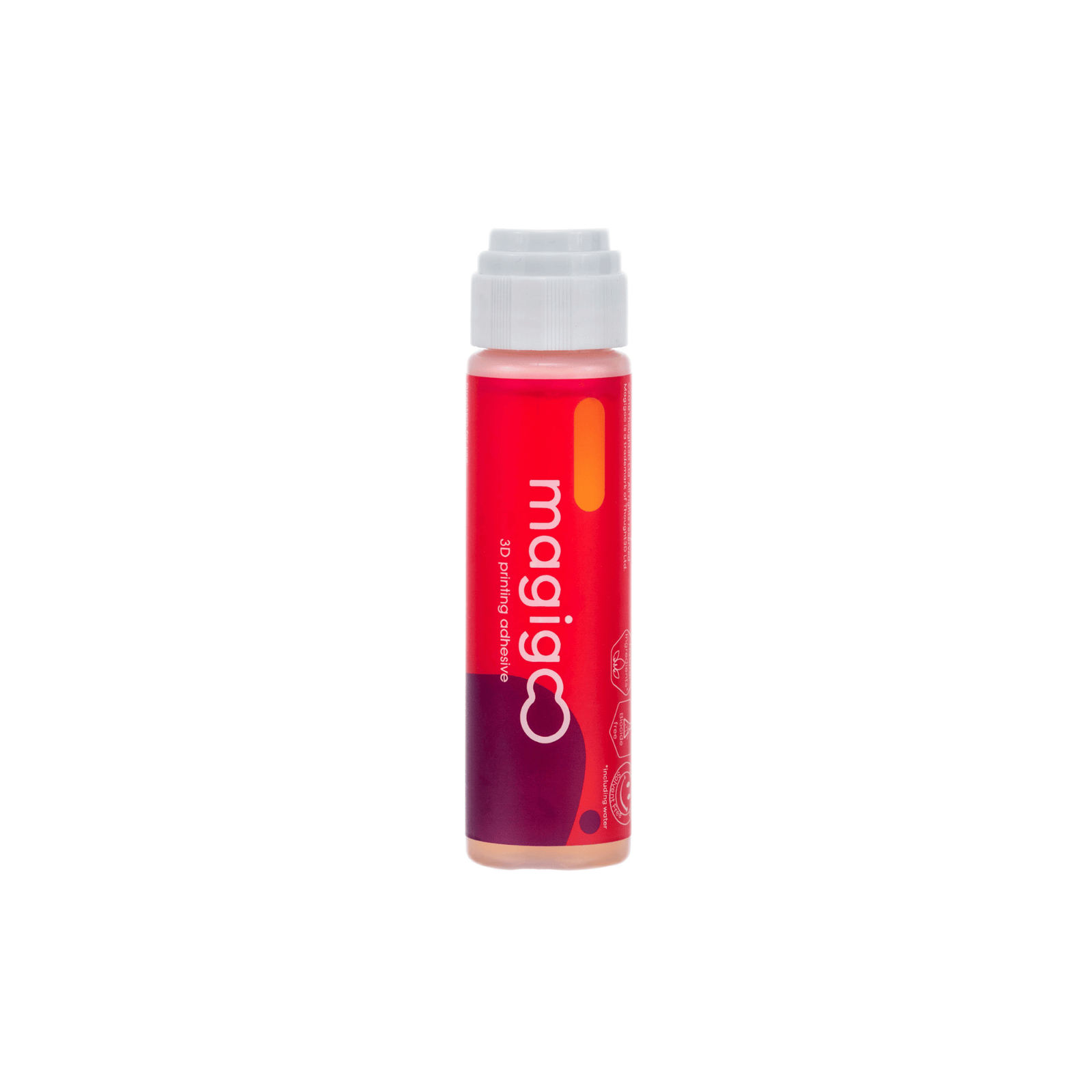
Magigoo Original
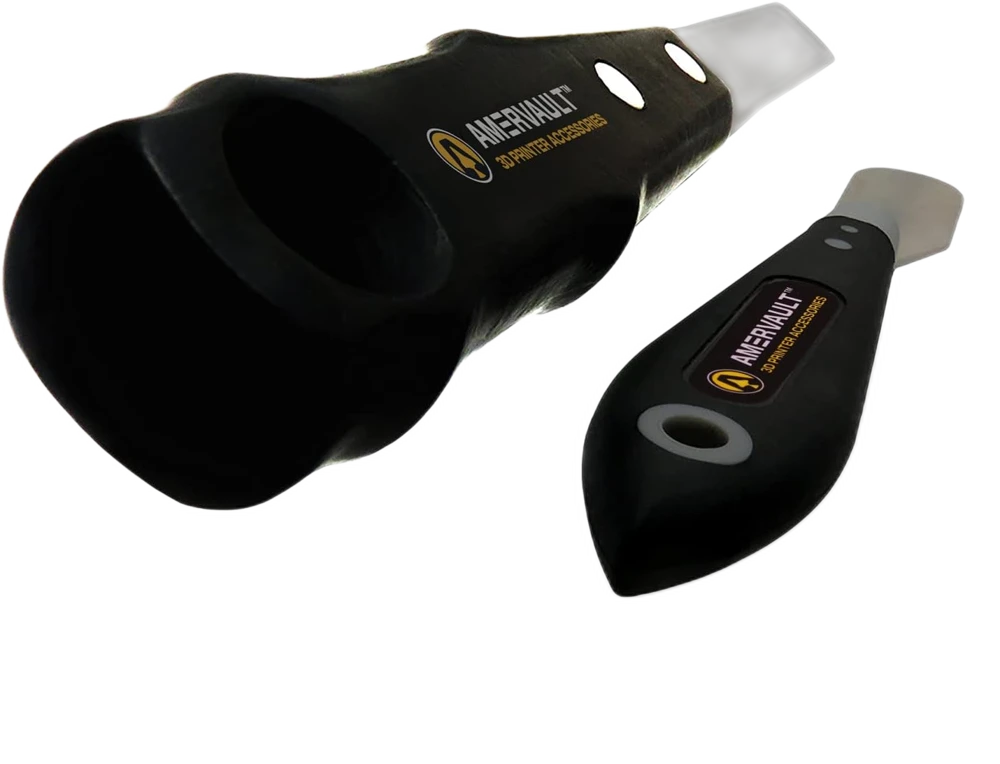
AMERVAULT Print Removal Tool Kit