
AMERVAULT Print Removal Tool Kit review: the long blade does most of the useful work
At a glance
Matching feedback favors the long, thin entry edge; the short tool divides opinion and no metal scraper is safe for every coated plate.
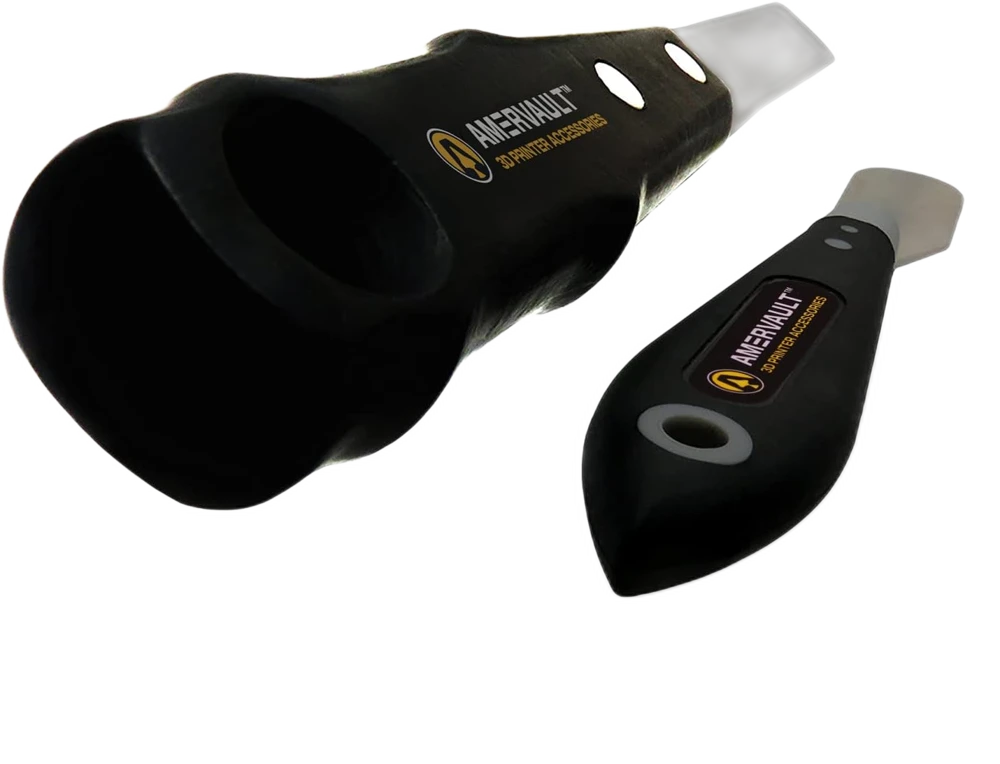
The setup
- Two removal tools
- Long beveled blade and shorter offset spatula
- Check plate permission before metal-tool use
Why consider it
- The long thin edge can reach under a stubborn print.
- The handles and rigid construction feel useful in repeated work.
What to weigh up
- The shorter spatula may contribute less to your workflow.
- No-scratch anecdotes cannot establish surface safety.
The long blade is the strongest reason to consider this two-tool kit. Matching users repeatedly describe its thin entry edge and reach as helpful, while the shorter offset tool receives a more mixed response.
Which tool earns the space?
| Tool | Likely reason to use it |
|---|---|
| Long blade | Reach under a permitted removal edge at a controlled angle. |
| Short offset spatula | Access where its shape helps; not every user finds it useful. |
Check the plate before the technique
A flexible plate that releases after cooling may not need a metal scraper at all. A coated surface can be damaged by a tool that worked well on another printer. Follow its instructions and keep hands out of the blade’s path.
The favorable long-term handling reports support a useful workshop tool, not a promise of damage-free removal. Waiting for the specified release conditions remains part of the process.
If prints repeatedly need force, revisit the plate’s adhesion and release arrangement before choosing a sharper tool.
Pros & Cons Analysis
Based on supplied customer reviews and verified product documentation
Pros
- The most consistent benefit belongs to one tool. Matching feedback repeatedly favors the long blade for access and controlled entry. Its reach can be useful where the surface permits metal removal tools.
- Handling is part of the improvement over an improvised scraper. Accounts describe comfortable grips and a solid feel. This does not justify forcing a print or overriding plate instructions.
Cons
- The two-piece count is not two equal benefits. One account found the short tool too stiff to be useful, while another liked its offset shape. Choose based on access needs rather than package quantity.
- Compatibility comes before leverage. Users report successful removal, but plate coatings and handling differ. Follow the plate maker’s cooling and tool guidance; do not use the kit to force an unready part.
Buy for the long blade, with plate permission
Consider the kit when your approved removal workflow needs a thin, longer tool. If the plate prohibits metal tools or releases cleanly by flexing, the kit adds less value.
Frequently Asked Questions
Will it never scratch my plate?
That is not established. Surface coatings, release conditions and handling differ; follow the plate maker’s tool guidance.
Are both tools equally useful?
Matching feedback favors the long blade more consistently. The short offset tool suits some workflows but not others.
Technical Specifications
| Product type | Print removal tool kit |
|---|---|
| Selected package | Two tools |
| Long tool | Beveled entry blade with wood handle per listing |
| Short tool | Offset spatula with rubber grip per listing |
| Blade material | Stainless steel per listing |
| Intended role | Manual removal where the build surface permits |
| Dimensions | Exact blade dimensions not independently verified |
| Important limit | Metal tools may damage coated build surfaces |

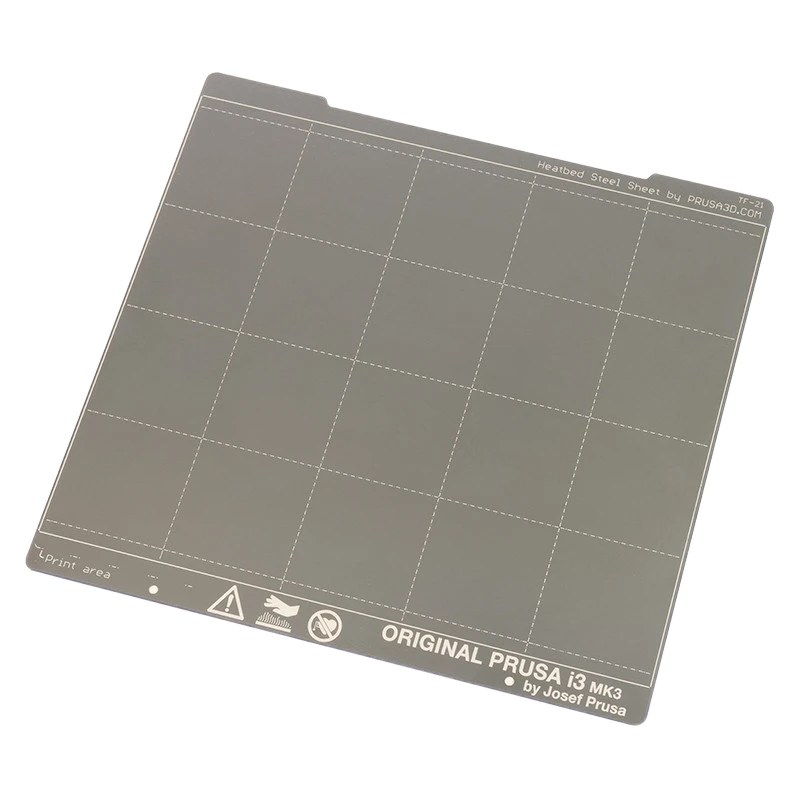
Prusa Satin sheet
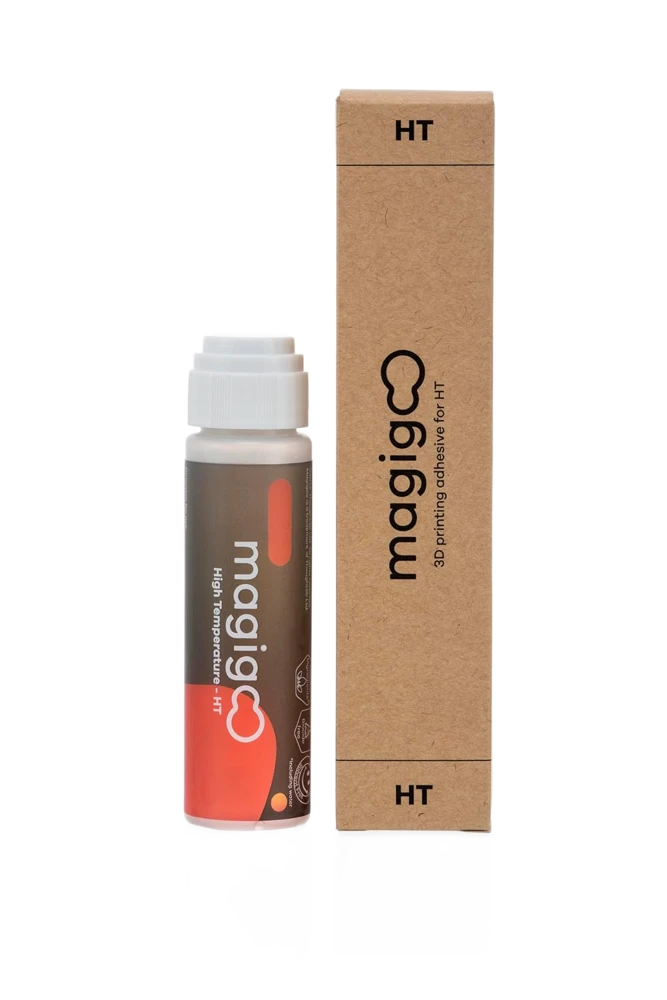
Magigoo HT
Prusa Smooth PEI sheet
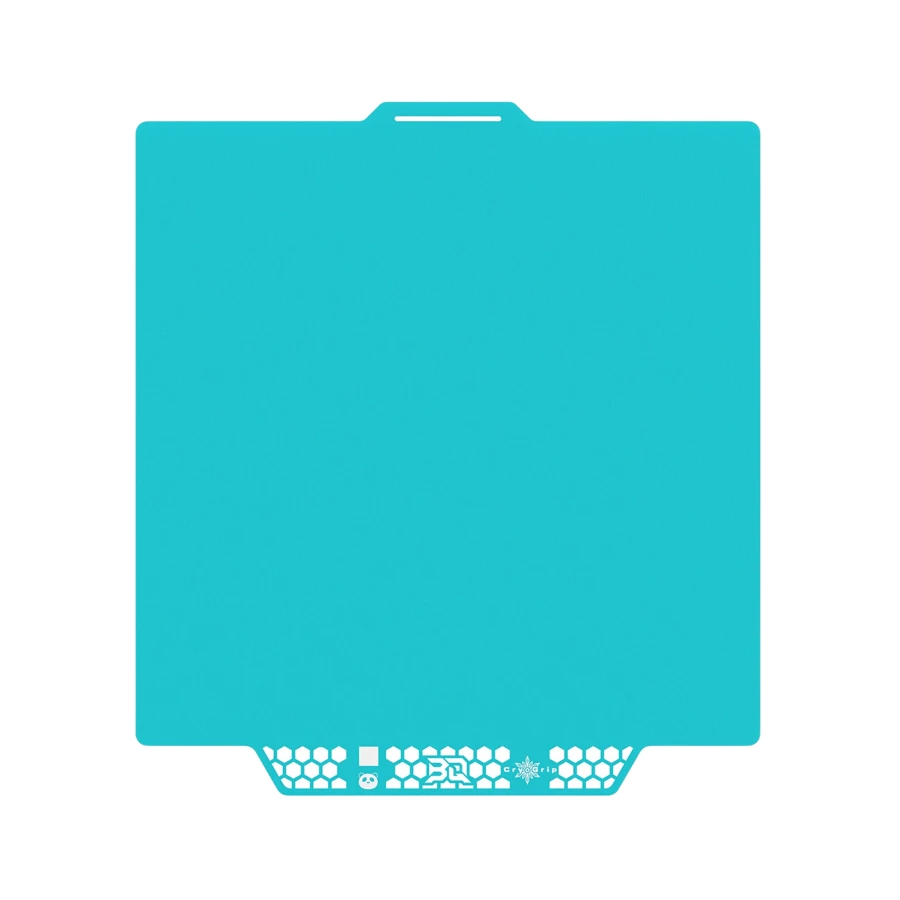
BIQU CryoGrip Pro Glacier