
BIQU CryoGrip Pro Glacier Review: Strong Grip With a Finer Print Surface
At a glance
The 257 mm Panda Glacier plate is a promising alternative when you want strong adhesion and a finer underside texture. Match the printer version and material settings rather than expecting universal cold printing or zero maintenance.
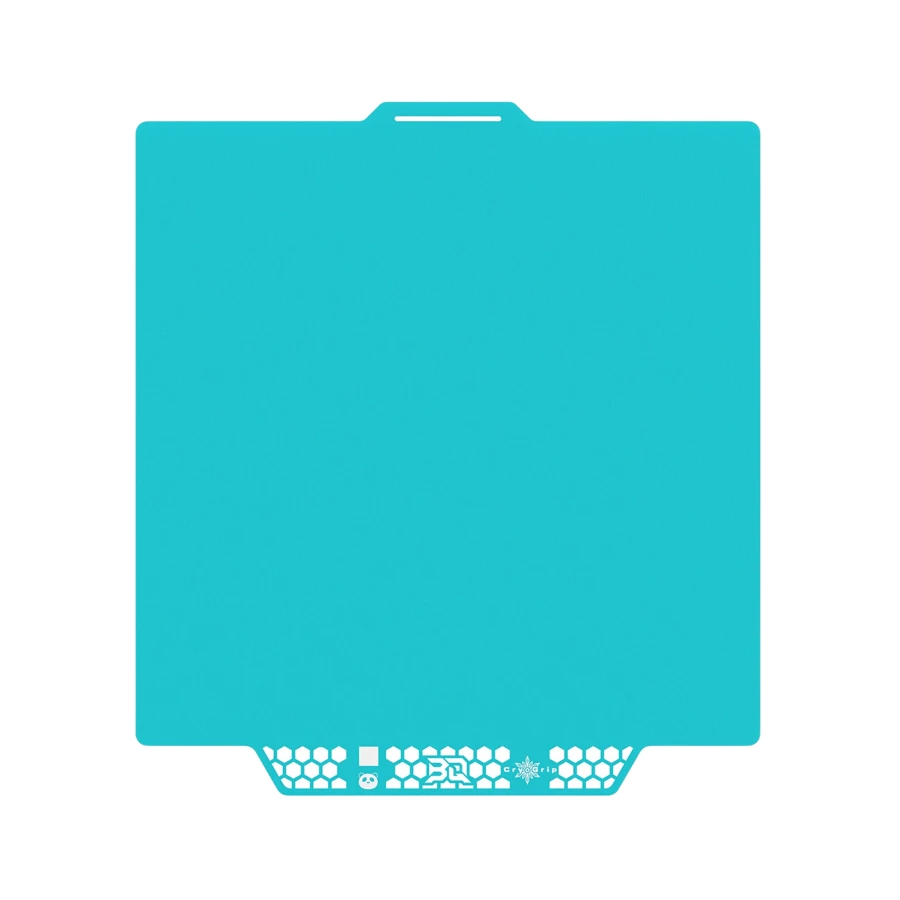
The setup
- CryoGrip Pro Glacier Original; fine texture
- Selected Panda offer: 257 × 257 mm sheet
- Double-sided spring-steel construction
Why consider it
- Strong adhesion and cooled release in matched Panda feedback.
- Fine texture can suit a less-patterned underside.
- X1C fit and identification-sticker setup have positive examples.
What to weigh up
- Does not eliminate warping or material-specific tuning.
- Cold-printing and zero-maintenance claims go beyond the evidence.
Glacier is the fine-texture option
Do not confuse Glacier with the coarser Frostbite surface or a plate cut for another printer. The reviewed offer is Glacier Original in the full-size Panda format. A shared product listing also contains Prusa, Snapmaker and larger Bambu versions; their fit results do not prove this sheet fits your machine.
Grip and release can both improve the routine
Matched Panda feedback describes successful silk-PLA projects, good fit on the X1C and easy release after cooling. It also values the comparatively fine underside finish. A positive account still includes an ABS corner lifting when the chamber was left open, so adhesion is not independent of the printing environment.
Choose it for the surface
If textured PEI leaves a pattern you dislike, Glacier is worth a sample. Its fine texture should not be described as a perfectly smooth sheet.
Choose the right temperature
The manufacturer specifies 45–55 °C for PLA and 60–75 °C for PETG. A room-temperature success in feedback is not a universal Glacier setting.
Keep the less enthusiastic results in view
On other printer-sized Glacier sheets, feedback includes no obvious advantage over ordinary PEI apart from the smoother finish, and an initial adhesion failure that improved after increasing bed temperature. Those experiences are not fit tests for the Panda sheet, but they qualify the broader idea that the coating removes all tuning.
Check the supplied profile and cleaning instructions
Historical feedback mentions different slicer plate choices from the current product page. Use the guidance supplied for your plate revision and printer, including any identification stickers. Keep the surface clean, let parts cool before handling and avoid unverified freezer or solvent tricks.
Pros & Cons Analysis
Based on supplied customer reviews and verified product documentation
Pros
- It can simplify a glue-heavy routine. Matched use includes silk PLA that adhered without the previous glue workflow and released after cooling. Confirm compatibility for each material instead of removing adhesive or separation layers universally.
- The underside appearance is a distinct benefit. The surface is described as finer than textured PEI. That is useful when the bed-facing side is visible, while remaining a texture rather than a polished finish.
- Installation can be straightforward on the intended machine. X1C feedback describes good fit and useful identification stickers. Check the actual plate cut and current profile; another size on the pooled listing is not equivalent.
Cons
- Strong grip does not cancel the rest of the process. A matched account still lifted an ABS corner with the enclosure open. Other-sized Glacier feedback also needed temperature adjustment, so the coating is not a universal cure.
- Long-term economy is not quantified. Claims of large energy savings and zero maintenance are unsupported by measurements. Positive wear impressions support continued inspection, not a lifetime or cleaning-free promise.
Choose the surface and fit before the cold-printing promise
Try Panda Glacier when your current plate’s texture or adhesion routine is frustrating and the exact sheet fits your printer. Use a small material-specific print to establish release and underside appearance before moving a long job onto it.
I mainly print PLA and PETG
Start with the supplied Glacier guidance and inspect both first-layer grip and cooled release. Do not transfer Frostbite settings just because the names share CryoGrip.
I already have reliable PEI adhesion
The finer underside finish may be the stronger reason to change. Unmeasured electricity savings alone are a weak basis for replacement.
Frequently Asked Questions
Is Glacier the same as Frostbite?
No. Glacier is the fine-texture option. Frostbite uses a different surface and its settings should not be transferred automatically.
Does the 257 mm sheet fit every printer in the review listing?
No. The listing pools several printer-specific shapes and sizes. Match the exact Panda sheet to your printer.
Can every material print with no heat or glue?
No. Use the manufacturer’s material-specific settings and any required separation layer. Customer successes do not establish universal compatibility.
Technical Specifications
| Product type | Replacement build plate |
|---|---|
| Reviewed configuration | BIQU Panda CryoGrip Pro Glacier Original; not Frostbite |
| Printer / physical fit | Selected 257 × 257 mm Panda offer; verify exact printer and plate cut |
| Surface | Fine-texture polymer coating; double-sided spring steel |
| Material compatibility | Follow current Glacier material chart; not universal glue-free use |
| Temperature guidance | Manufacturer: PLA 45–55 °C; PETG 60–75 °C |
| Profile / identification | Follow supplied revision instructions and applicable identification sticker |
| Cleaning / release | Follow current Glacier cleaning guidance; inspect coating and allow parts to cool |
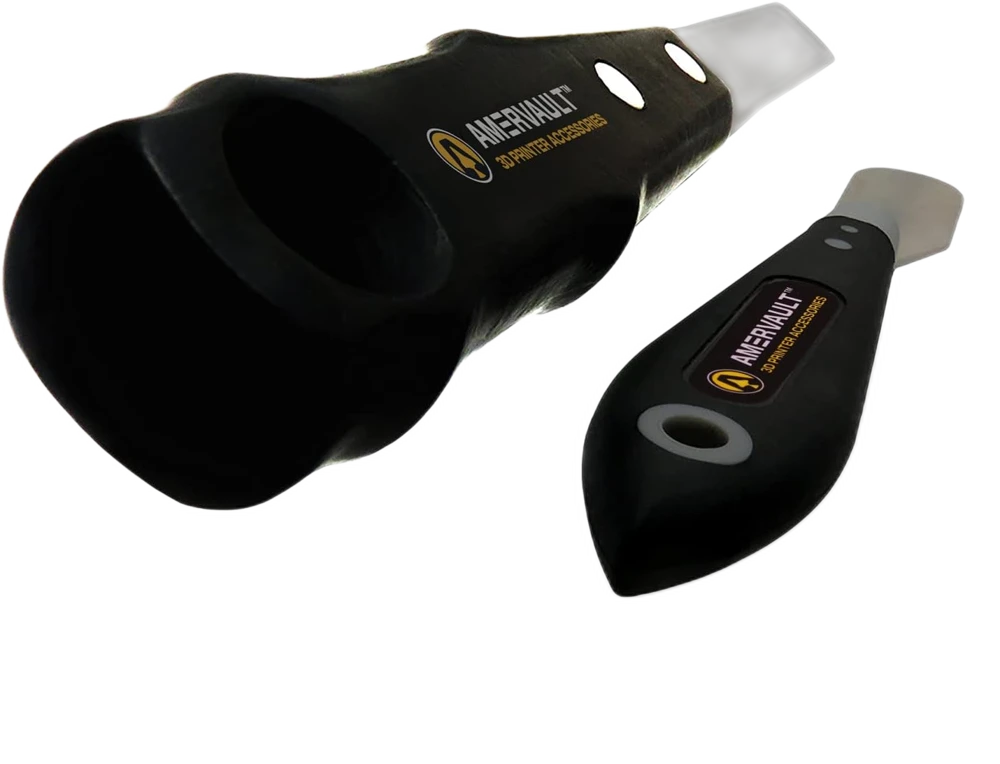
AMERVAULT Print Removal Tool Kit
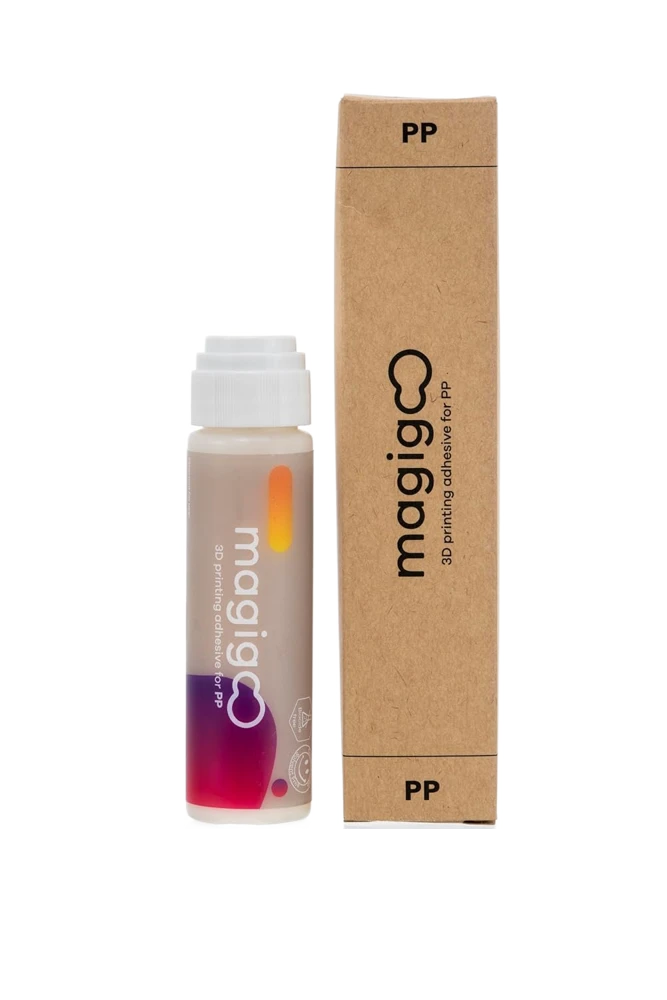
Magigoo PP
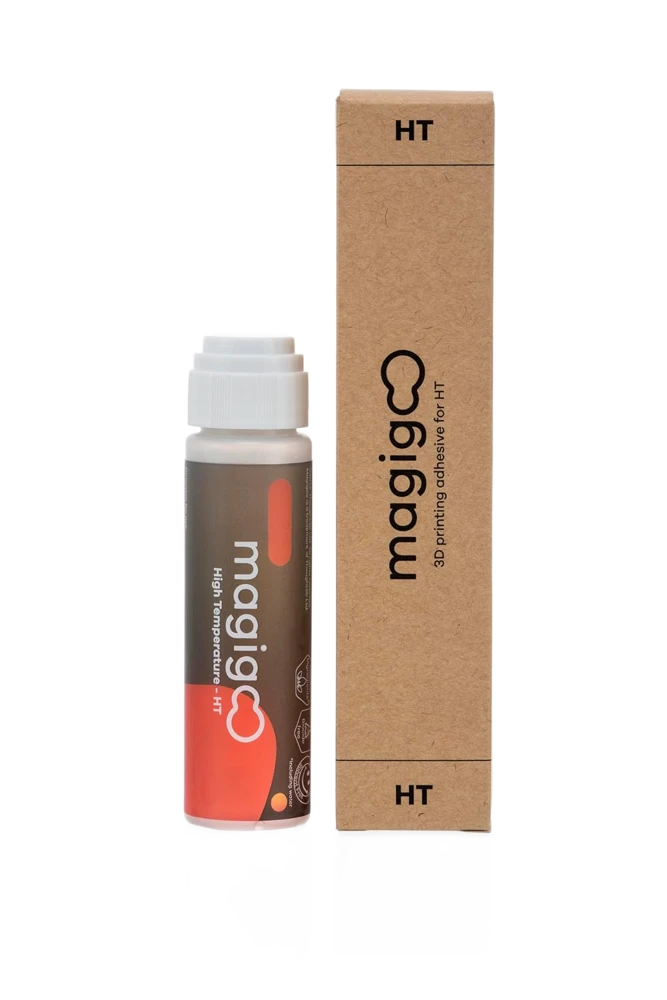
Magigoo HT
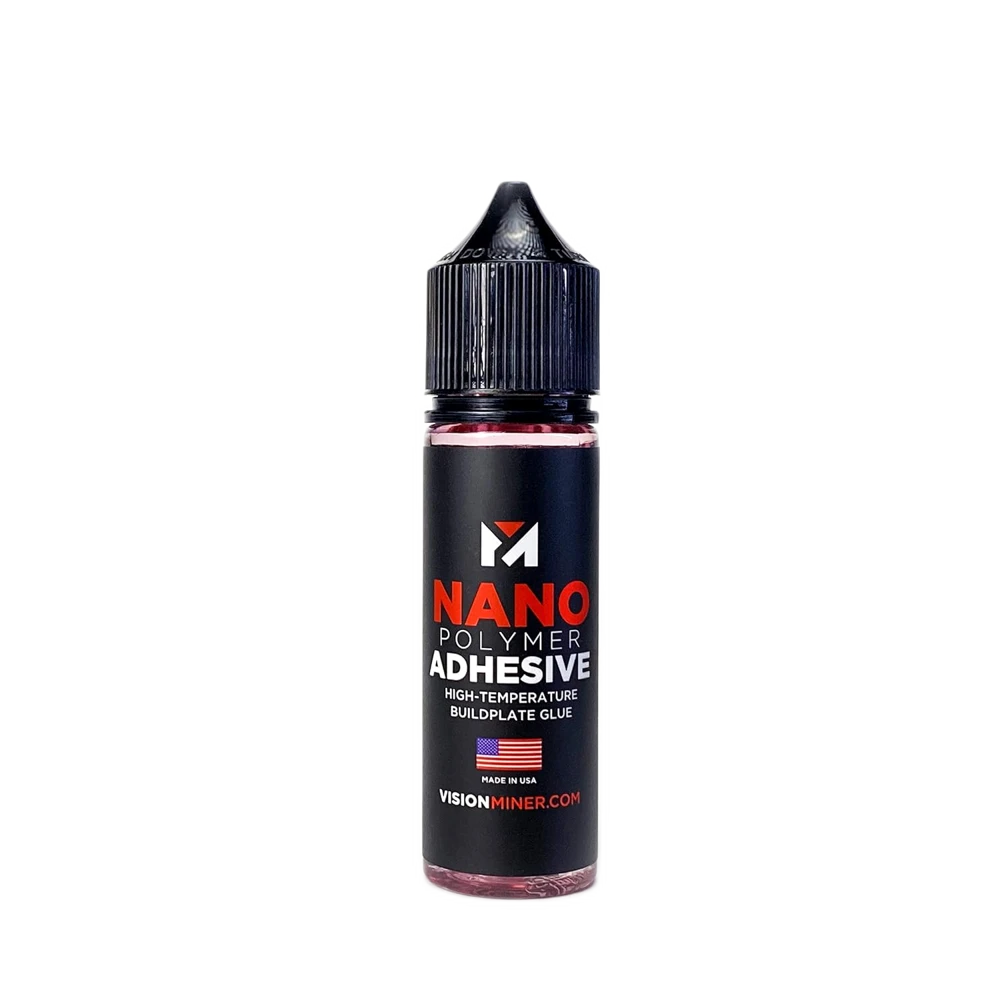
Vision Miner Nano Polymer Adhesive