
Magigoo Original review: hold during printing, easier release after cooling
At a glance
Useful when glass-bed adhesion and removal both need improvement; textured-plate results and applicator history need more careful interpretation.
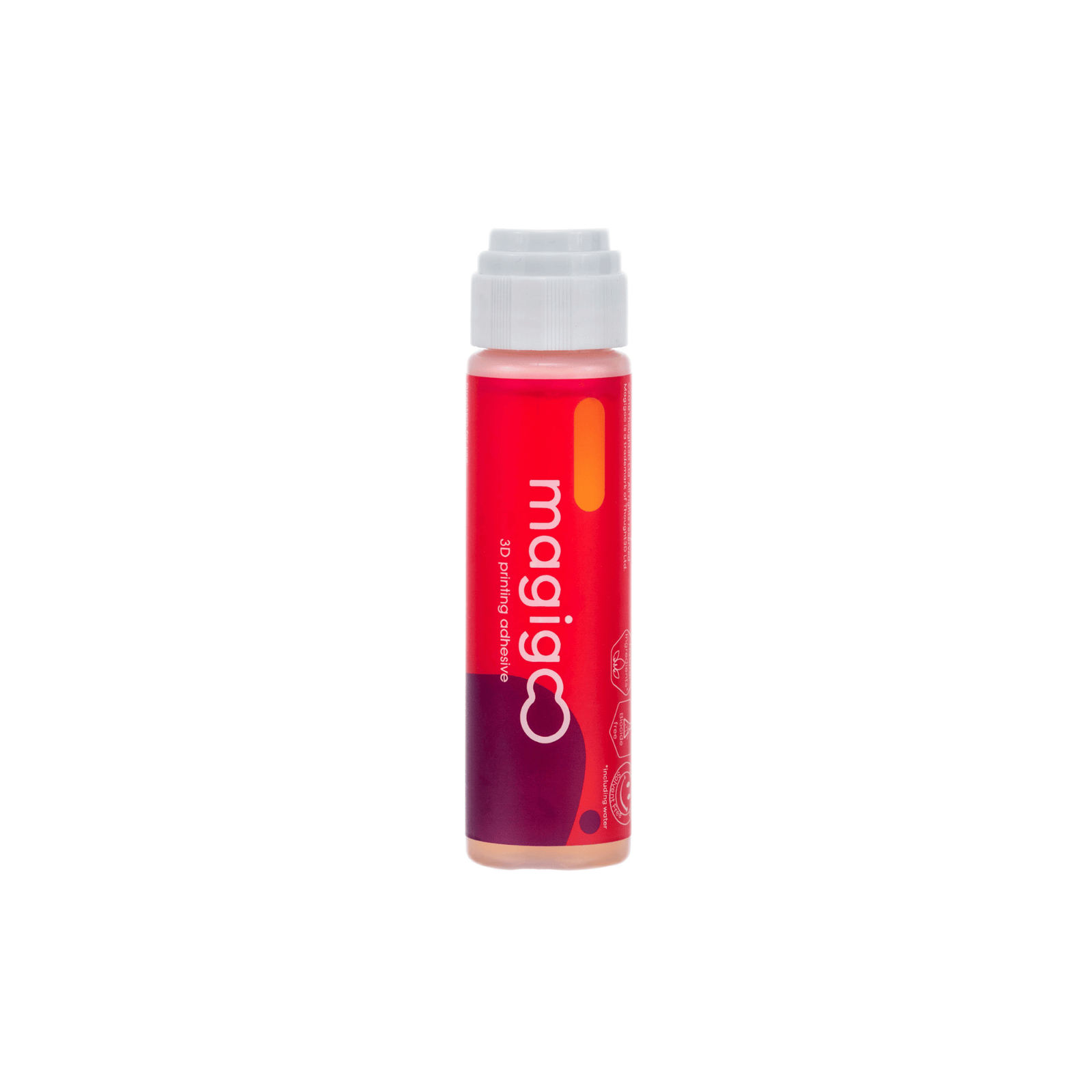
The setup
- Original formulation, distinct from Supergrip and the Pro material-specific products.
- Selected offer: 50 ml applicator bottle.
- Manufacturer lists PLA, ABS, PETG, HIPS, ASA and TPU; exact material/surface compatibility still matters.
Why consider it
- Can improve both glass-bed hold and cooled release.
- Can simplify workflows previously relying on tape or rafts.
- Several experiences describe economical repeat use.
What to weigh up
- Textured-surface experiences conflict.
- Application technique and pad condition affect convenience.
Magigoo Original earns consideration when the problem is not simply making a part stick, but getting it to hold through the job and release afterward. The clearest practical benefits in the feedback concern glass-bed PLA and PETG printing. A coating that avoids tape and reduces prying can be worthwhile even when the first layer was already sticking.
Which half of the cycle is causing trouble?
Your current problem
Edges lift before the job finishes
What a useful trial should demonstrate: The same troublesome footprint stays attached.
PLA grips glass too firmly
What a useful trial should demonstrate: The cooled part releases without the previous struggle.
PETG requires tape and glue
What a useful trial should demonstrate: A compatible Magigoo application simplifies both preparation and removal.
The process already works
What a useful trial should demonstrate: There may be little reason to add another consumable.
Positive glass-bed experiences include improved release and less reliance on rafts or tape. Those are practical workflow gains. They do not prove that adhesive can correct a wrong nozzle gap, contamination or every cause of warping.
Textured plates are the less settled case
The feedback disagrees here. Thin-layer grip and satisfactory release appear on a textured plate, but another experience describes poor adhesion and damage to the applicator pad before a switch to smooth surfaces worked better. The useful conclusion is conditional: test your actual coating and surface combination rather than treating either experience as universal.
Should I press harder if the pad is not dispensing?
Follow the current valve instructions and inspect the tip. The manufacturer describes activating the nib against the plate, with only a very gentle squeeze if needed. Excessive pressure is not a sensible response to a blocked or damaged applicator.
A small application, a complete cool-down
- Begin on a clean, cold compatible plate.
- Shake and apply an even film over the print area using the bottle instructions.
- Print with the appropriate material and surface settings.
- Let the plate cool before judging release.
Some users report several prints from a coating and convenient spot touch-ups. The manufacturer’s published routine instead calls for reapplication to the cleaned printing area before each print. Treat repeated use as an experience to evaluate, not a guaranteed yield or the official maintenance schedule.
Buy the current bottle, not an old packaging complaint
An older account explicitly identifies an earlier dispenser and notes the later sponge design. That matters when comparing reviews: the adhesive result and the historical bottle frustration should not be collapsed into a claim about today’s applicator. Current tip condition and handling remain relevant.
Pros & Cons Analysis
Based on supplied customer reviews and verified product documentation
Pros
- Release can be the larger improvement. PLA and PETG glass-bed experiences describe lifting cooled parts with less effort. This is useful even where sticking was not the original issue; assess both ends of the print cycle.
- Less preparation clutter for a troublesome job. The feedback includes moving away from tape or large adhesion aids. Compare the same geometry so a simpler workflow does not conceal a change in the job itself.
- A small amount can go a long way in practice. Repeat applications and touch-ups are described favorably. Coverage, surface condition and removal differ, so there is no defensible fixed print count per bottle.
Cons
- The surface can change the result. Textured-plate praise coexists with poor hold and pad wear. Confirm surface compatibility and trial a small area before covering an entire plate.
- The dispenser needs care. Nib activation and gentle pressure matter. Historical problems with an earlier applicator should not be assigned wholesale to the current design, but rough application is still a poor shortcut.
Judge the coating by the whole print cycle
Magigoo Original is a sensible trial for a glass-bed workflow that alternates between weak grip and difficult removal. Keep the first test small enough to compare the complete routine.
My problem is only on a textured plate
Start with that plate’s compatibility instructions. The customer experiences are mixed, so broad glass-bed success is not enough to predict your result.
My prints already stick and release well
Keep the simpler routine. Buy a coating to solve an identified problem, not because every successful print needs one.
Frequently Asked Questions
Can I reuse one coating?
Some users do, but the manufacturer’s published routine calls for reapplication to the cleaned print area before each print. Do not assume a fixed number of successful jobs per coating.
Are the oldest dispenser complaints about the current bottle?
Not necessarily. A captured older account explicitly describes a previous applicator design. Check the current bottle rather than transferring that problem to every revision.
Technical Specifications
| Product type | Build-plate adhesive |
|---|---|
| Formulation | Magigoo Original / All-in-One |
| Reviewed bottle | 50 ml applicator bottle |
| Intended surfaces | Glass evidence strongest here; textured-surface results mixed |
| Listed materials | Manufacturer lists PLA, ABS, PETG, HIPS, ASA and TPU; confirm exact combination |
| Application | Clean cold plate; shake, activate nib, spread evenly following current instructions |
| Release and cleanup | Allow plate to cool; follow current water-cleaning instructions |
| Compatibility limits | No guaranteed real-use print count established |

Magigoo PA
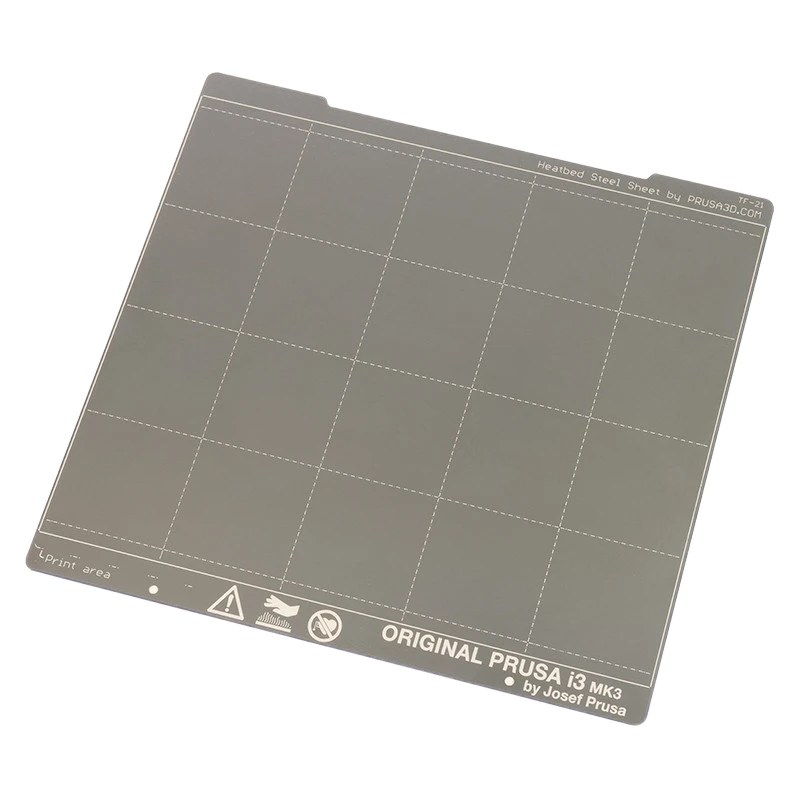
Prusa Smooth PEI sheet
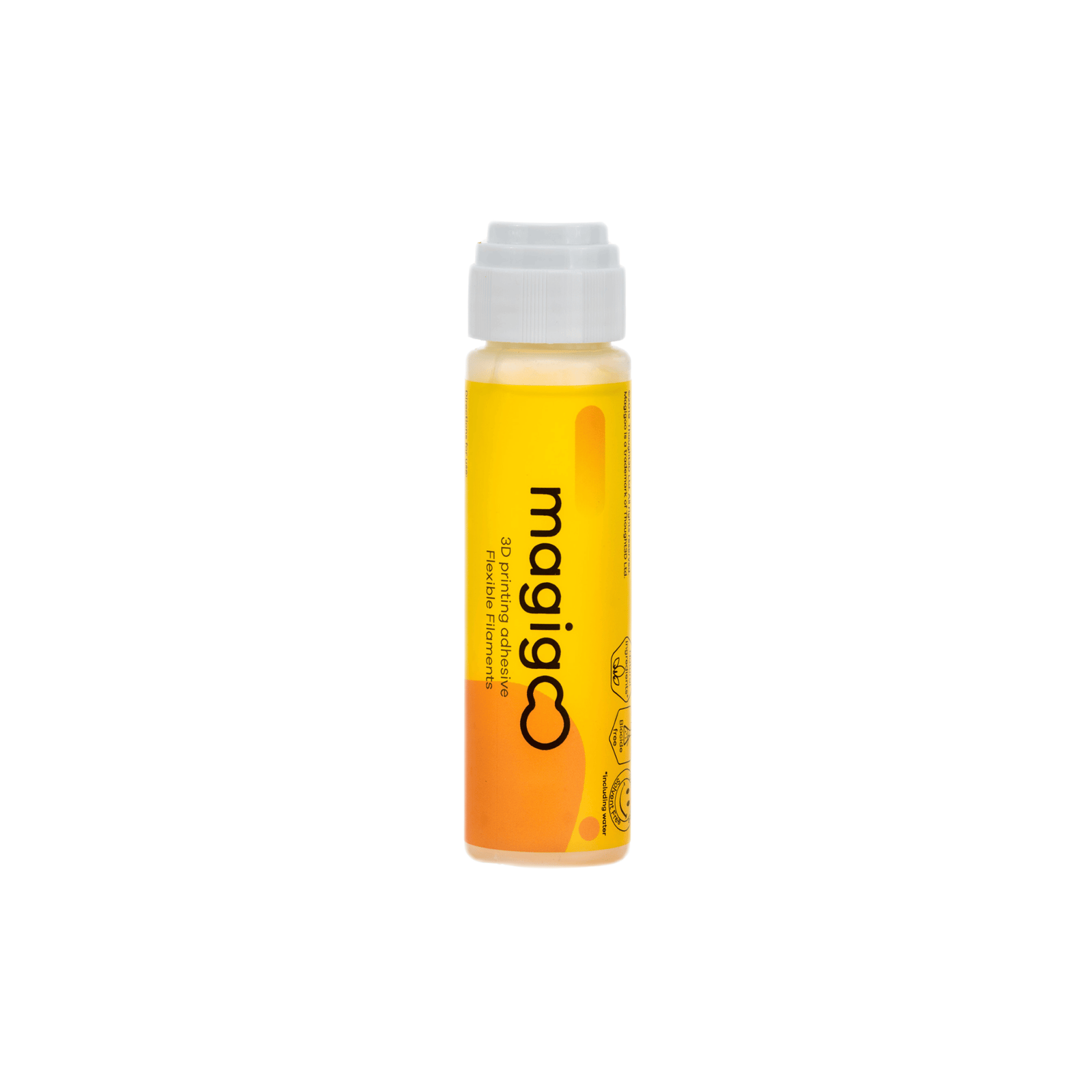
Magigoo Flex

Prusa Satin sheet