
Magigoo PA review: nylon adhesion with release still in mind
At a glance
Matching nylon experiences favor both hold and release, but difficult geometry can still lift and residue varies by surface.

The setup
- Magigoo PA for polyamide build-plate adhesive
- Selected 50 ml bottle
- Match formula and build surface
Why consider it
- Improved hold in several identified nylon workflows.
- Release can be a benefit alongside adhesion.
What to weigh up
- Difficult prints can still warp away from the plate.
- Cleanup is not identical on every surface.
Magigoo PA is most relevant when nylon is the material you need and bed hold or release is the problem. Matching feedback covers both unfilled and reinforced nylons, with useful successes but no universal cure.
Which problem are you solving?
| Problem | Reason to consider PA |
|---|---|
| Nylon lifts during printing | Several matched nylon workflows improved after switching. |
| A part is too difficult to remove | Matching feedback also values release. |
| A large part still curls in a heated setup | Adhesive alone may not resolve the geometry and thermal conditions. |
Do not rank glue by grip alone
A comparative account found another product stronger in its setup but recognized easier removal with Magigoo PA. That tradeoff is useful: the best result keeps the print down and still lets the plate and part separate appropriately.
Test the actual footprint and plate. Keep the current formula’s application guidance separate from other Magigoo bottles; they are not a single interchangeable recipe.
Decide whether the surface needs adhesion assistance or a release layer before selecting the coating.
Pros & Cons Analysis
Based on supplied customer reviews and verified product documentation
Pros
- The formula has relevant material-specific feedback. Matching accounts describe successful PA6-CF, PAHT-CF and Easy PA use after adhesion trouble. That supports a targeted trial rather than treating all glues as interchangeable.
- The goal is a finished part and an intact plate. PA6/PA12 feedback values easier release, and a comparative account preferred another adhesive for maximum grip while recognizing Magigoo’s easier removal. More grip is not always the only objective.
Cons
- It does not remove the rest of the process. A matching garolite workflow still lifted despite heated conditions. Geometry, material preparation and the complete thermal setup remain relevant.
- Allow for the actual plate. Some matching accounts describe easy washing, while a Darkmoon-plate account reports residue. Confirm the surface instructions before assuming the coating disappears effortlessly.
Choose hold and release as a pair
Try Magigoo PA for a documented nylon workflow when adhesion or release is the limiting step. Judge the full print-and-removal cycle before depending on it for an expensive large part.
Frequently Asked Questions
Does it guarantee no nylon warping?
No. The matching record includes a failed heated garolite setup alongside successful nylon applications.
Is the strongest hold always preferable?
Not necessarily. Release and plate preservation also matter; matching comparative feedback illustrates that tradeoff.
Technical Specifications
| Product type | Build-plate adhesive |
|---|---|
| Formulation | Magigoo PA for polyamide |
| Reviewed bottle | 50 ml |
| Intended surfaces | Manufacturer lists glass, Kapton, Garolite and PEI; the plate maker must also permit the adhesive. |
| Listed materials | Magigoo PA for polyamide |
| Application | Manufacturer advises generous coverage; a second coat may be needed for difficult jobs. |
| Release and cleanup | Release: Follow exact-formula cooling and release instructions; Cleaning: Follow current formula-specific instructions |
| Compatibility limits | Does not replace appropriate material and printer conditions |
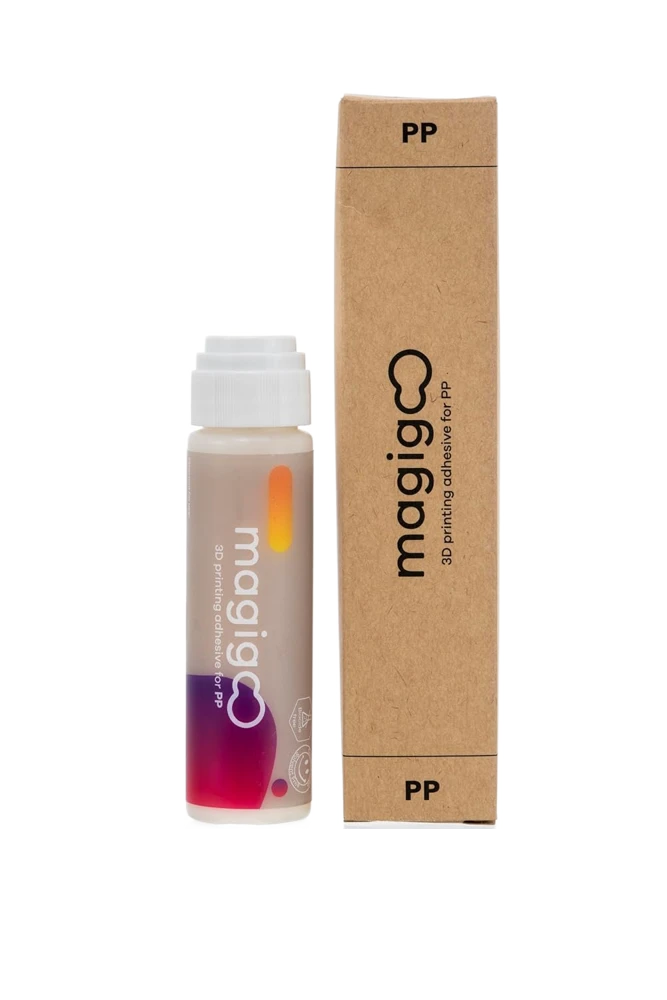
Magigoo PP
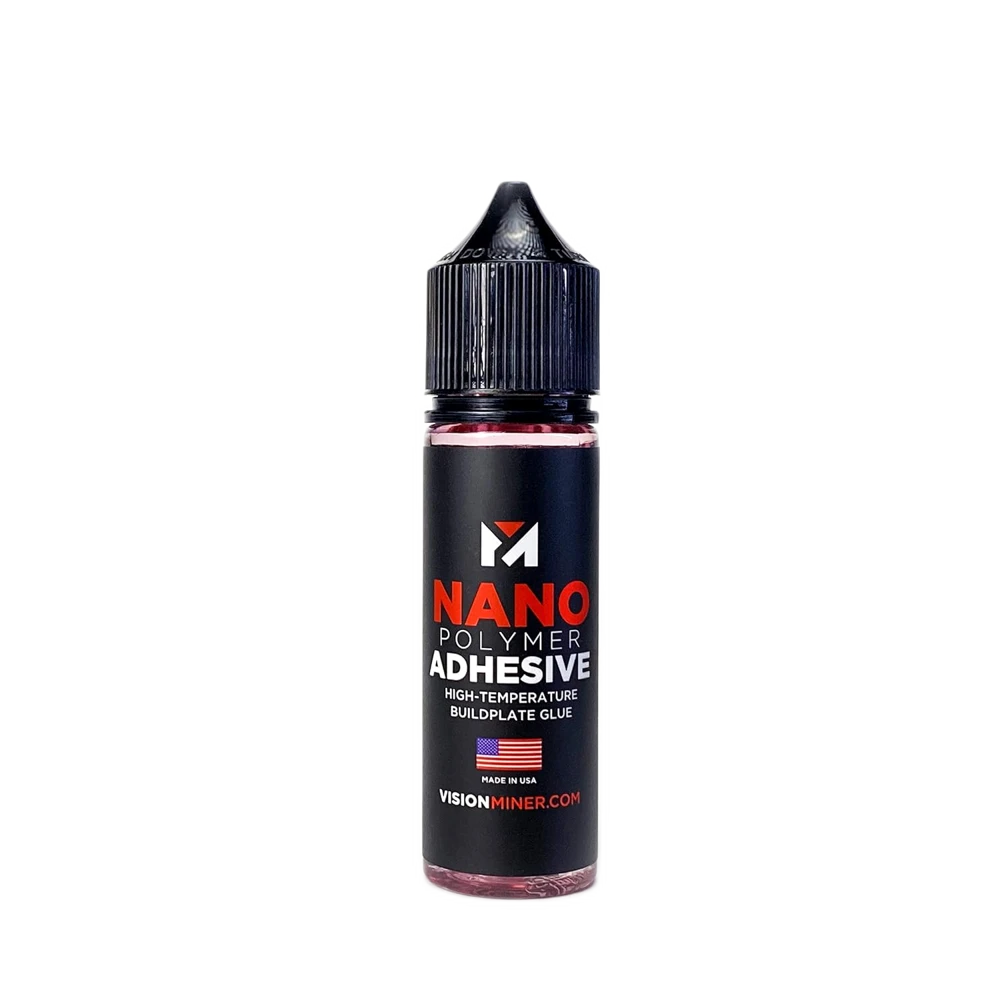
Vision Miner Nano Polymer Adhesive

BIQU CryoGrip Pro Glacier

Magigoo PC