
eSUN PETG Review: Qualify the Roll Before the Long Print
At a glance
A conditional utility-print choice: check winding, surface cleanup and the supplied formula before a long job.
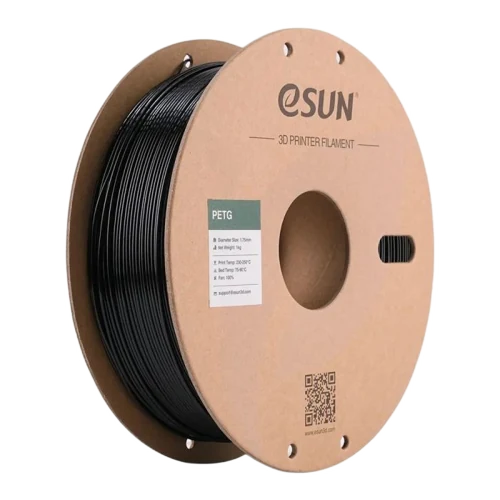
The material & format
- Selected solid-white 1 kg PETG spool.
- 1.75 mm nominal diameter.
- Separate identity from PETG-Basic, PETG+ and filled blends.
Why consider it
- Useful fitted parts are achievable.
- Smooth feeding is possible on everyday setups.
What to weigh up
- Spool catches can interrupt a long job.
- Surface cleanup may take work.
- A successful print may still make a poor clip.
eSUN PETG has produced useful fitted parts, including an adapter and a pipe cap, but it is not an automatic shortcut to trouble-free utility printing. The buying decision turns on how much tolerance your project has for a first-roll check: successful feeding sits alongside interrupted prints, strings and nozzle deposits.
Decide which failure would cost you the most
A long, unattended print
Start by checking feed behavior on a smaller job. Smooth unwinding has been achievable, including on an A1 Mini, but repeated spool catches have also interrupted a large print. Neither experience establishes the condition of the roll you receive.
A visible white surface
Include the finished face in the sample. Nozzle buildup and burnt deposits have made cleanup onerous, while other setups achieved a clean result. A part that fits may still fall short cosmetically.
A clip that must flex
Test the actual feature rather than substituting a solid block. A printed clip has snapped despite otherwise acceptable printing. Successful caps and adapters do not answer that different design question.
The name has stayed familiar; check the formula
The checked Amazon offer is solid-white eSUN PETG, 1.75 mm, on a 1 kg spool. It is not PETG-Basic, PETG+ or PETG-CF. The current manufacturer page describes a new formula. Older printing experiences cannot establish the performance of that revision, and the selected listing does not settle which formula is supplied.
Keep the spool label and material document together. Before a repeat purchase for a validated job, compare the product designation and label with the earlier roll. Matching the brand and color name alone leaves that question unanswered.
Resolve the settings mismatch before the first print
eSUN’s current page lists a 240–260°C nozzle range, while its linked V2.0 technical sheet gives 230–260°C. Both list a 75–90°C bed range. Confirm the applicable instructions for the supplied roll instead of treating a successful customer setting as the answer to that difference.
The sheet specifies drying at 60°C for more than eight hours. Check the reel and dryer limits as well. A report of successful printing after lengthy storage does not establish that drying is unnecessary; another printing experience improved with drying. The PETG drying guide explains how to separate preparation from dry storage.
Does the speed figure settle which profile to use?
No. The technical sheet lists a speed below 150 mm/s, but that number is not a measured capacity for your machine. The flow calibration guide explains how to qualify a working limit instead of adopting a headline speed.
Keep the first purchase tied to one job
Choose a representative small part that includes the feature most likely to disappoint you: a visible wall, a fitted opening or a flexible clip. Save its settings and inspect the result before spending the rest of the spool on a long job.
For outdoor work, the current manufacturer’s weather-resistance claims are not a lifespan for the printed object. The available mailbox example had not yet established weathering performance. Likewise, a material strength figure is not a load rating for an adapter you design. Buy against the requirement you can actually check.
Pros & Cons Analysis
Based on supplied customer reviews and verified product documentation
Pros
- A credible candidate for a small utility trial. Successful adapter and cap prints support trying a representative functional shape. Their fit and usefulness do not establish the strength or durability of a different geometry.
- A spool can run without constant attention. Positive unwinding and printing results include an A1 Mini. That makes a manageable first-roll trial reasonable, while the separate winding complaint rules out a blanket tangle-free promise.
Cons
- Feeding deserves attention before a large print. Repeated catches have disrupted a substantial print. Check the received spool and watch its first job; the account does not establish a failure percentage or prove that every current roll is affected.
- Usable geometry does not guarantee a clean finish. Stringing and nozzle deposits appear alongside cleaner outcomes. For an exposed white part, include its actual face in the trial rather than accepting a hidden or rough prototype as sufficient.
- Qualify flexing features separately. A snapped clip is a relevant limit on generic toughness expectations. Material, geometry and settings all remain part of the result, so trial the needed deflection instead of transferring success from a rigid cap.
Buy the first roll for a specific trial
eSUN PETG is worth considering for a fitted utility part when you can qualify the received roll first. It is a less comfortable choice for a deadline-sensitive, unattended print when you have no time to check winding and finish.
I can run a small qualification part
Resolve the formula and settings, then print the feature that matters most. Use that result to decide whether to commit the remaining material.
I need a proven repeat immediately
Prefer a roll and profile already qualified for the same job. A familiar brand name alone does not establish equivalence with earlier stock.
Frequently Asked Questions
Does this review cover eSUN PETG-Basic?
No. PETG-Basic, PETG+ and PETG-CF have different identities. Verify the exact formulation before using a profile or transferring printing feedback.
Does the white spool establish how transparent other colors will look?
No. Select the color and finish deliberately and check the actual wall thickness of your design. A solid-white offer does not establish the appearance of a translucent variant.
Technical Specifications
| Product type | PETG filament |
|---|---|
| Reviewed formulation | eSUN PETG; not Basic, PETG+ or CF; supplied revision needs confirmation |
| Nominal filament diameter | 1.75 mm; selected listing tolerance ±0.05 mm |
| Manufacturer diameter tolerance | ±0.05 mm — 1.75 mm; selected listing tolerance ±0.05 mm |
| Package format | Selected solid-white 1 kg spool |
| Nozzle guidance | Current page240–260°C vs linked July2025V2.0 sheet230–260°C; bed75–90°C. Confirm supplied roll. |
| Material care | Linked sheet60°C for more than8h; confirm reel/dryer limits |
| Variant / handling limit | Historical PETG feedback; current new-formula performance not established; review-level color labels absent |
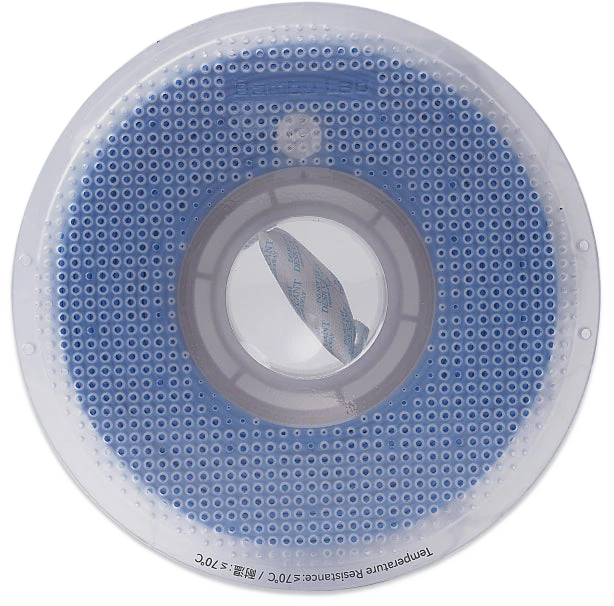
Bambu Lab PETG Basic

Prusament PETG
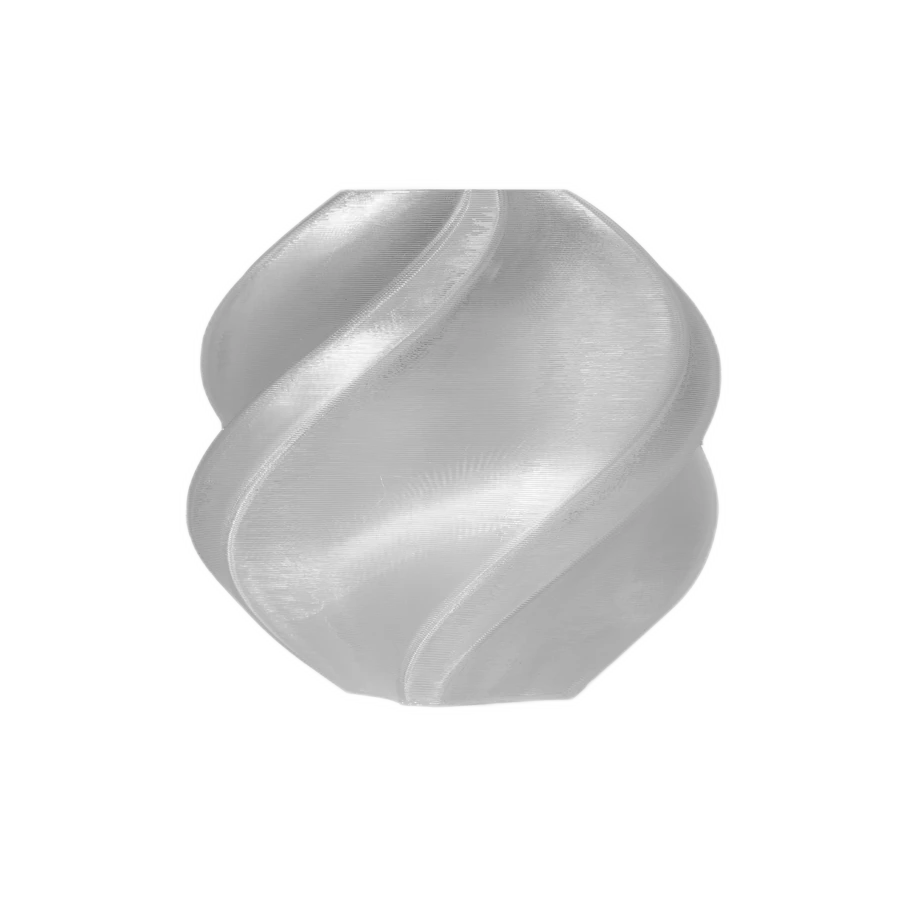
Bambu Lab PETG Translucent
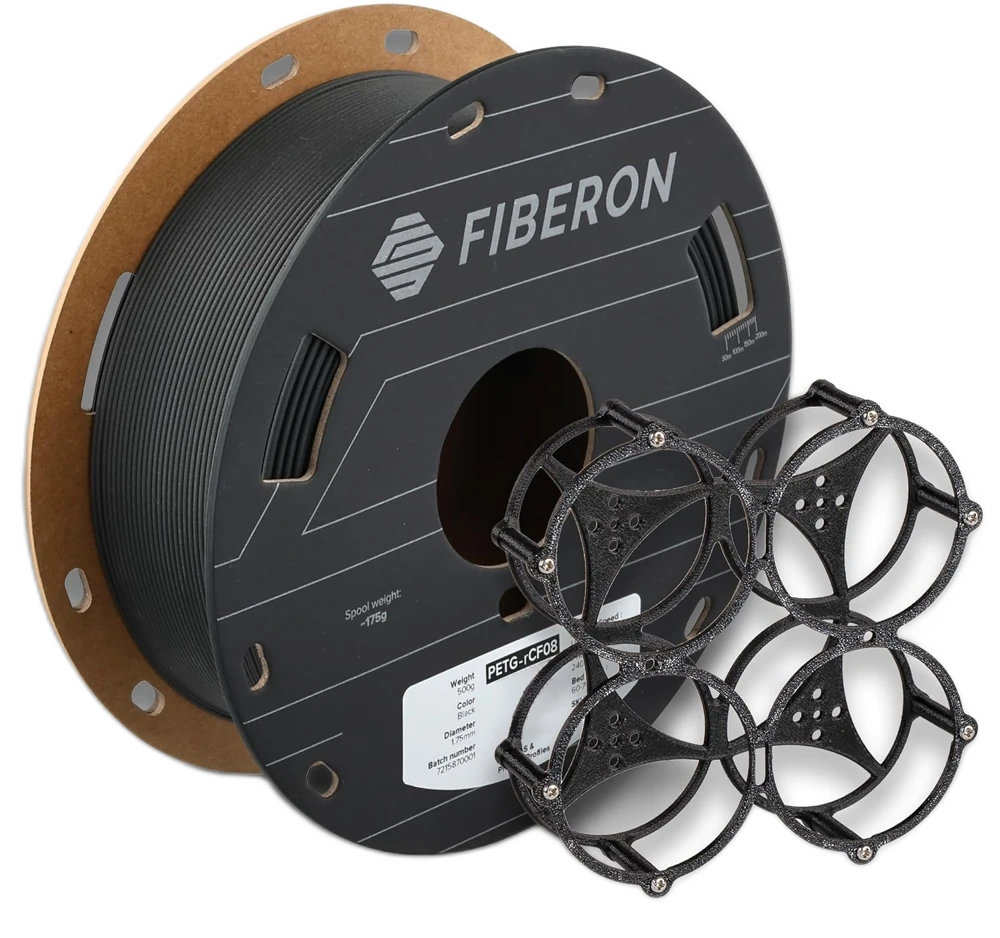
Fiberon PETG-rCF08