
Prusament PETG review: documented setup with bed-surface precautions
At a glance
A candidate for following a specific PETG profile and surface procedure, with color and handling differences retained.

The material & format
- Standard Prusament PETG; excludes recycled, V0 and composites
- 1.75 mm reviewed variant
- Color and spool generation must match the selected offer
Why consider it
- Established profiles can reduce initial setup work
- Specific finishes appeal for visible parts
What to weigh up
- Strong adhesion makes bed selection important
- Later rolls can still disappoint an experienced user
- Feeding problems are separate from a good profile
For Prusament PETG, think about the finished part leaving the build plate as well as staying on it during printing. A supported profile is useful, but the surface procedure remains part of selecting the material.
Plan removal before starting the part
Strong adhesion and difficult release appear in the same favorable experience. Follow Prusament’s guidance for the exact surface rather than transferring a glue or release procedure between different build sheets. Adhesion is helpful only when the full printing-and-removal process suits the job.
For repeat work, qualify the next roll
A later orange purchase produced brittle parts and poor bonding after earlier successful rolls. The report does not establish a confirmed formula change. It does make the actual replacement roll a better starting point for acceptance than brand familiarity alone.
- Retain the new roll’s color and batch information.
- Print a representative part on the intended surface before committing a long sequence.
- Record bonding, release and feeding separately if the result differs from the previous roll.
That routine is particularly relevant when continuing a project over several purchases. Use the Prusament preparation example with the instructions for the actual spool generation. A familiar slicer profile does not settle its heat limit or guarantee that a new roll reproduces the old result.
Pros & Cons Analysis
Based on supplied customer reviews and verified product documentation
Pros
- Established profiles can reduce setup work. A matched Prusa workflow provides a useful starting point for routine printing. Expect to qualify the profile on other machines rather than assuming the same settings transfer without adjustment.
- Attractive finishes for visible parts. The range offers finishes that can work well for appearance-focused PETG projects. Select the actual variant deliberately; the behavior and look of a clear material should not be generalized to every opaque color.
Cons
- Strong adhesion can complicate part removal. The material needs the correct bed-surface procedure so adhesion during printing does not become difficult release afterward. Follow the manufacturer’s guidance for the exact sheet rather than treating stronger bonding as an unconditional benefit.
- A later roll may need fresh qualification. Brittleness or poor layer bonding can arise even after earlier rolls worked well. Check the new material before a production run; those symptoms do not by themselves establish a formulation change.
- A good profile does not prevent feeding problems. Tangling or poor spool rotation can interrupt familiar print settings. Check the loaded roll and feeder arrangement before making it responsible for a long job.
The build surface is part of this purchase
Prusament PETG is a candidate for a known profile or a specific finish, with a trial on the intended surface. A familiar preset does not qualify every new roll.
Is this a new setup or a replacement roll?
This is my first roll on this surface
Establish the documented surface and release procedure before printing a large part. Adhesion during printing and removal afterward belong in the same decision.
I am continuing a repeat project
Keep the replacement roll’s color and batch identity. Check a representative part before committing a long sequence, and investigate bonding, release and feeding separately.
Retain the spool-generation details when using the Prusament drying example.
Frequently Asked Questions
Can PETG be removed from every bed surface in the same way?
No. Prusa warns about strong adhesion on some surfaces. Follow the instructions for the actual sheet and any required release layer.
Technical Specifications
| Product type | PETG filament |
|---|---|
| Reviewed formulation | Standard Prusament PETG; excludes recycled, V0 and composites |
| Nominal filament diameter | 1.75 mm |
| Manufacturer diameter tolerance | Not verified — no tolerance adopted for this exact variant |
| Package format | Color and spool generation must match the selected offer |
| Nozzle guidance | Manufacturer nozzle recommendation 250 ± 10°C |
| Material care | Prusa drying guidance: 55°C for 6 h; check spool generation |
| Variant / handling limit | Strong bed adhesion requires the correct surface/release procedure |
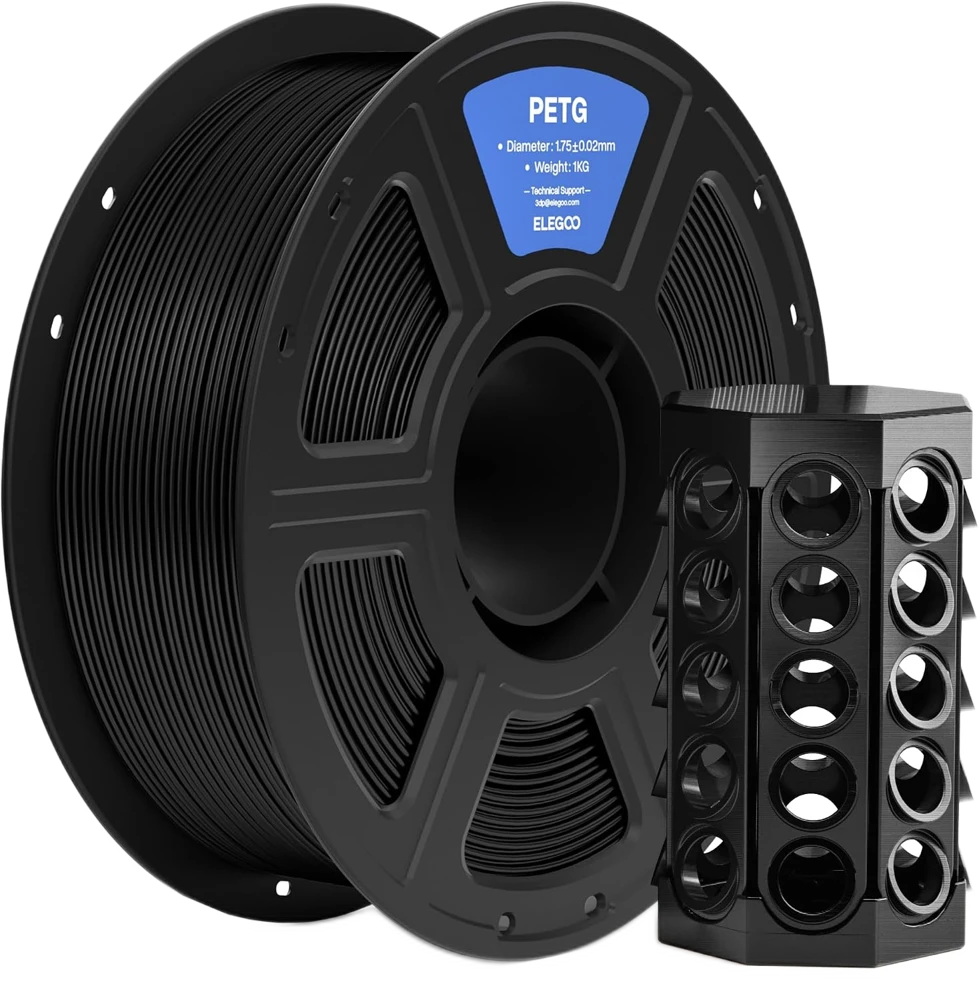
ELEGOO PETG

Bambu Lab PETG HF
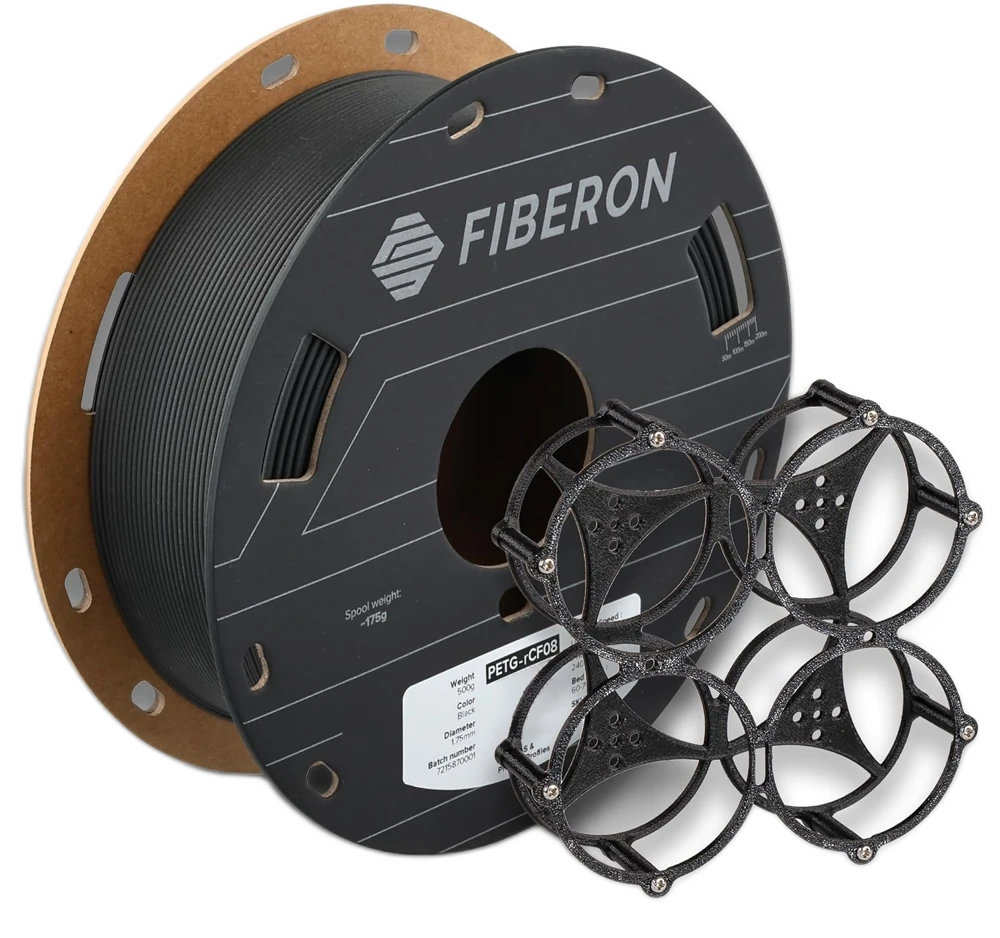
Fiberon PETG-rCF08

Polymaker PETG