
Bambu Lab PETG HF review: profile convenience with preparation requirements
At a glance
Matched PETG HF owners report successful printing and contrary results; drying, spool condition and material recognition still need checks.

The material & format
- Bambu PETG HF; matched 33xxx variants, not PLA Silk or PETG Basic
- 1.75 mm; manufacturer tolerance ±0.03 mm
- 1 kg spool or refill; confirm the selected format
Why consider it
- Prepared PETG HF can print cleanly on a named setup
What to weigh up
- Preparation is necessary but not a guaranteed cure
- Spool integrity can interrupt a long job
- Automatic identification can still require checking
PETG HF fits a Bambu material workflow, but a recognized profile is only part of getting a roll ready. Preparation, the physical spool and the displayed material identity remain separate checks.
Loading is complete only when the material and hardware agree
Check
Why it belongs in this purchase: The pooled page also includes PLA Silk feedback, which does not apply here.
Why it belongs in this purchase: Matched feedback includes clean output after preparation and poor output despite a drying attempt.
Why it belongs in this purchase: A matched account describes a spool coming apart during a long job.
Why it belongs in this purchase: A red-roll account describes the AMS displaying white.
These are reasons for specific checks, not estimates of how often a problem occurs. An automatically selected profile cannot inspect the spool, and a familiar product name cannot establish which material appears in a pooled customer review.
When drying has not solved the print
Follow the manufacturer’s PETG HF preparation instructions. Customer drying durations are descriptions of individual setups, not a recipe to average. If the documented preparation does not resolve the defect, keep the printer profile and feeding checks in the investigation.
The PETG drying guide separates named-line instructions from generic PETG advice. Choose HF for its supported workflow when it suits the project; do not interpret its name as a promise to bypass preparation or achieve a measured speed on every printer.
Pros & Cons Analysis
Based on supplied customer reviews and verified product documentation
Pros
- Clean, fast output is possible with preparation. PETG HF can suit a workflow that combines drying with a matched print profile. The useful speed and finish still depend on the setup; the product name alone does not establish a universal working speed.
Cons
- Drying is preparation, not a complete diagnosis. Stringing or poor output can remain after drying if other settings or feed conditions are unsuitable. Recheck the profile and printer instead of assuming that a longer cycle is always the answer.
- Spool integrity matters on long jobs. A spool that comes apart can tangle filament and interrupt printing. Check its assembly and feeding before a long run; automatic material recognition cannot replace that mechanical check.
- Automatic identification still needs confirmation. The displayed color may not match the loaded material. Verify the AMS material and color assignment before starting a multicolor job.
Make the HF workflow complete
PETG HF is worth considering when its documented workflow fits your printer. Clean, fast output is possible in matched feedback, but it is not a buy-and-ignore promise.
A recognized profile is only one part of readiness.
The material is PETG HF; unrelated PLA Silk feedback is excluded.
Preparation follows the exact filament and spool instructions.
The loaded spool is intact and feeds as intended.
The displayed material and color match what is actually loaded.
Validate a small print before assigning a long job. Use the PETG preparation guide when establishing the cycle; do not borrow an elapsed time from a customer anecdote.
Frequently Asked Questions
Were the PLA Silk reviews on the same listing used?
No. The listing pools different materials. Only product-code-matched PETG HF accounts inform the owner analysis; unrelated PLA Silk reviews were excluded.
Technical Specifications
| Product type | PETG filament |
|---|---|
| Reviewed formulation | Bambu PETG HF; matched 33xxx variants, not PLA Silk or PETG Basic |
| Nominal filament diameter | 1.75 mm |
| Manufacturer diameter tolerance | ±0.03 mm |
| Package format | 1 kg spool or refill; confirm the selected format |
| Nozzle guidance | Manufacturer nozzle range 230–260°C |
| Material care | Manufacturer blast-drying-oven instruction 65°C for 8 h |
| Variant / handling limit | Dry before use; keep the exact equipment and spool limits |

SUNLU Glow PETG

eSUN PETG Matte
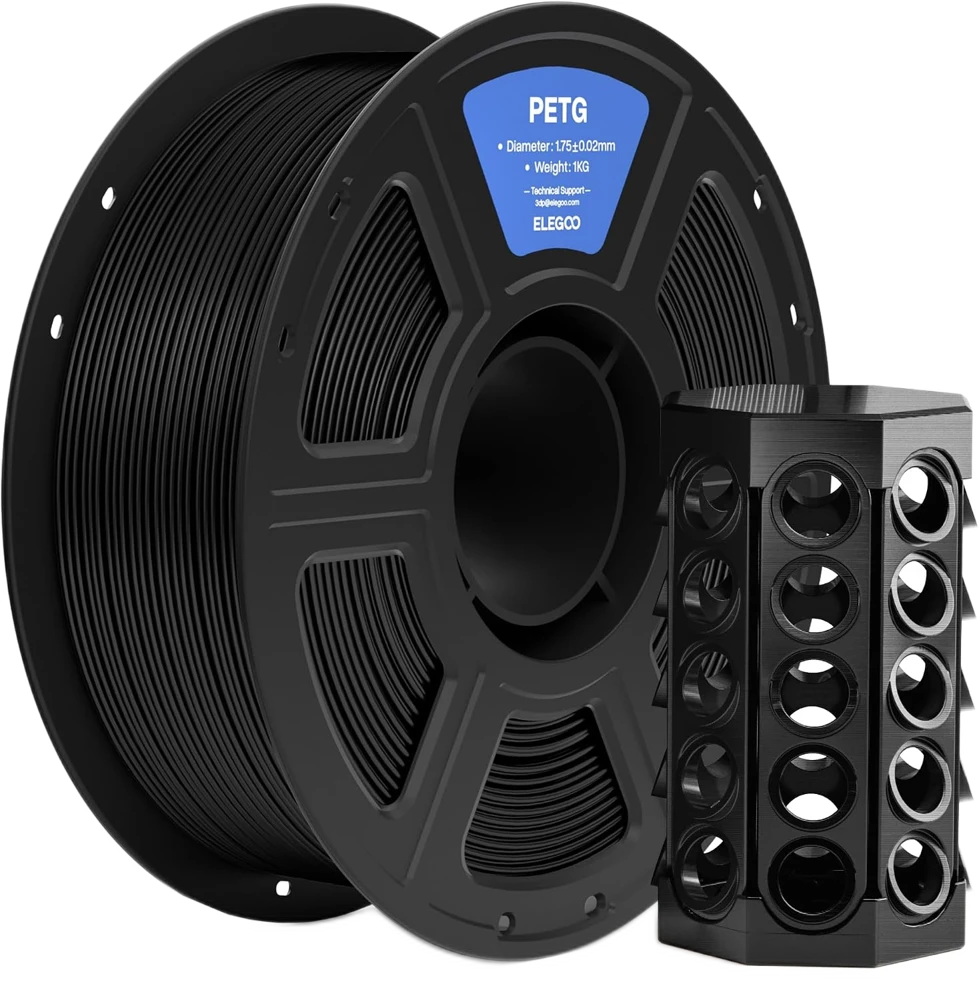
ELEGOO PETG
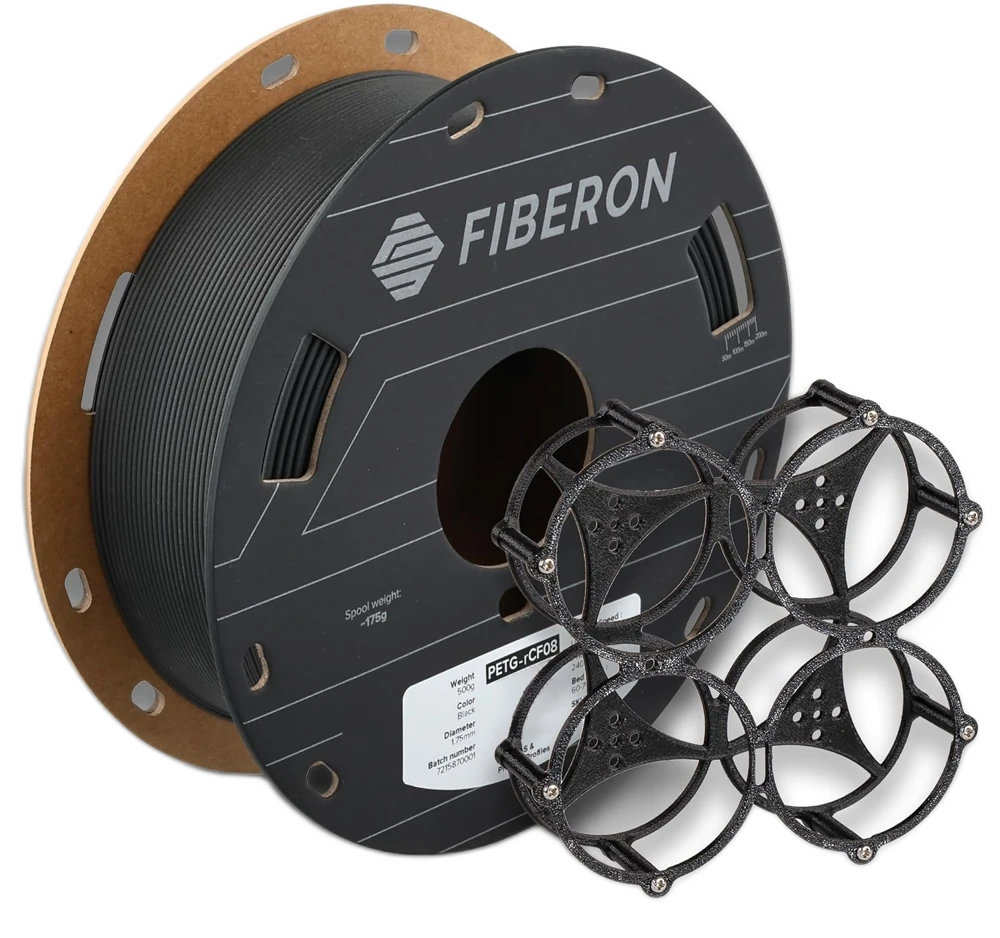
Fiberon PETG-rCF08