
EIBOS Polyphemus review: two-spool rotation with revision caveats
At a glance
Consider it around a two-roll workload, after confirming the current revision and how your spools move on the rollers.
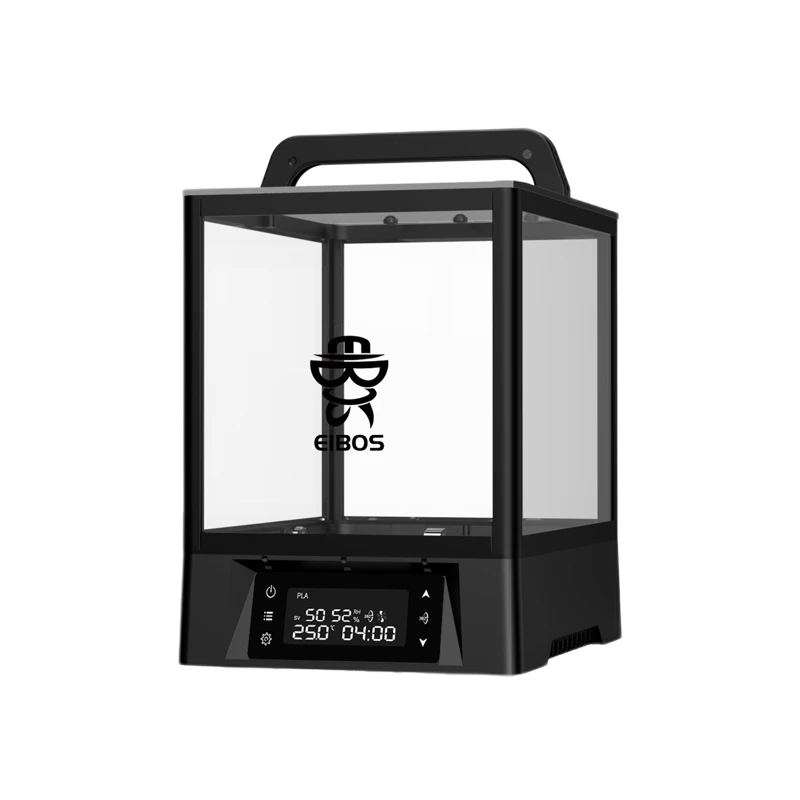
The setup
- Polyphemus; current 80°C offer separated from historical reports
- Two standard spools; optional expansion is offer-dependent
- Current manufacturer range 30–80°C
Why consider it
- Rotation can reduce manual repositioning
- Two rolls and flexible exits can support ongoing printing
- Controls remain approachable
What to weigh up
- Spool slipping can defeat the main attraction
- Large-spool feeding and mid-job changes can be awkward
- Maintenance and fault reports temper the recommendation
Automatic spool rotation is the reason to look closely at Polyphemus. The buying question is whether that feature remains useful with your actual rolls and the changeovers you make, not simply whether a motor is fitted.
Three movements that are easy to confuse
Watch the spool itself
The motor can run, the rollers can move, and the spool can still remain stationary. Feedback describing this mismatch also praises the two-roll arrangement. The implication is specific: assess rotation at the spool, rather than treating visible mechanism movement as proof that the intended roll is turning.
Keep the loading limits in view
Keep the manufacturer’s supported dimensions and loading instructions alongside that check. Do not copy improvised roller coatings or modifications from customer comments. Contrary rotation reports coexist with praise for the screen and settings, so a convenient interface does not resolve the mechanical question.
One roll finished; the other is still connected
That is the changeover to picture before buying. Feedback describes replacing one roll under the connected cover as cumbersome. If you alternate materials often, access can matter more than the convenience of loading two rolls at the start.
The current offer and the historical evidence are different: the manufacturer’s current offer specifies 80°C. Earlier owner units and 70°C expectations cannot validate that upgraded revision.
If two rolls cover the work and rotation is a feature you specifically want, those checks give Polyphemus a defined role. If four compatible rolls repeatedly need preparation, compare the S4’s shared-batch format. Neither comparison establishes which removes moisture faster.
Pros & Cons Analysis
Based on supplied customer reviews and verified product documentation
Pros
- Automatic rotation reduces manual repositioning. When the loaded spool turns properly, rotation removes a handling step from the drying routine. It does not by itself guarantee even heating or prevent deformation under unsuitable operating conditions.
- Two loaded rolls can support ongoing jobs. Two-spool capacity and several feed options can reduce material changes during printing. The arrangement works best when both rolls can stay in place for the planned jobs.
- Approachable controls for routine adjustments. Temperature, fan and timer settings are accessible without a complicated interface. That usability benefit remains separate from how well a particular spool grips the rollers.
Cons
- Roller movement does not always mean spool rotation. A spool can slip while the rollers continue moving, undermining the main reason to choose this model. Check actual contact and rotation with your reels; behavior may differ by spool and dryer revision.
- Large reels and mid-job changes can be awkward. Feeding resistance and shared lid access can complicate changing one roll while the other is printing. Compare actual spool diameter and width, and leave room to work around both feeds.
- Fan and heater reliability deserve consideration. A fan problem or heater fault can turn an otherwise useful setup into a repair or support task. Weigh service options as well as the rotation feature when comparing long-term value.
Make rotation earn its place
Polyphemus is a conditional choice when spool rotation is the feature you actually want. Confirm the offered revision; older experiences cannot verify the current 80°C unit.
Which benefit would justify the purchase?
Rotation is my main reason to buy
Check that the actual spool follows the rollers, and consider replacing one roll while the other feed remains connected. Motor movement alone is not the acceptance check.
I mainly need room for more active rolls
If rotation is incidental, compare Polyphemus with the four-position S4. Large-spool direct feeding also needs particular care because fit and resistance complaints remain in the evidence.
Frequently Asked Questions
Do older reviews describe the current 80°C Polyphemus?
Not necessarily. Historical owner accounts include earlier temperature limits. Confirm the exact current offer and do not treat the sample as a test of the current revision.
Technical Specifications
| Product type | Standalone filament dryer |
|---|---|
| Reviewed configuration | Polyphemus; current 80°C offer separated from historical reports |
| Drying capacity | Two standard spools; optional expansion is offer-dependent |
| Heat control | Current manufacturer range 30–80°C |
| Printing from the dryer | Supported; roller resistance and loading matter |
| Humidity behavior | Sensor-location readings; not polymer moisture |
| Fit and measurement basis | Two φ210 × 80 mm spools; expanded fit requires matching parts |
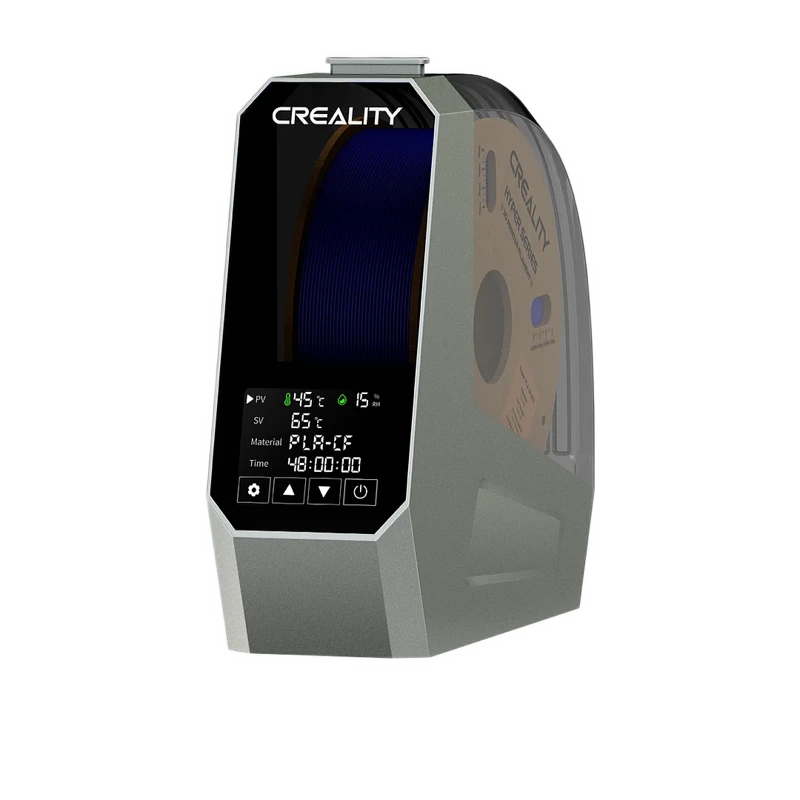
Creality Space Pi
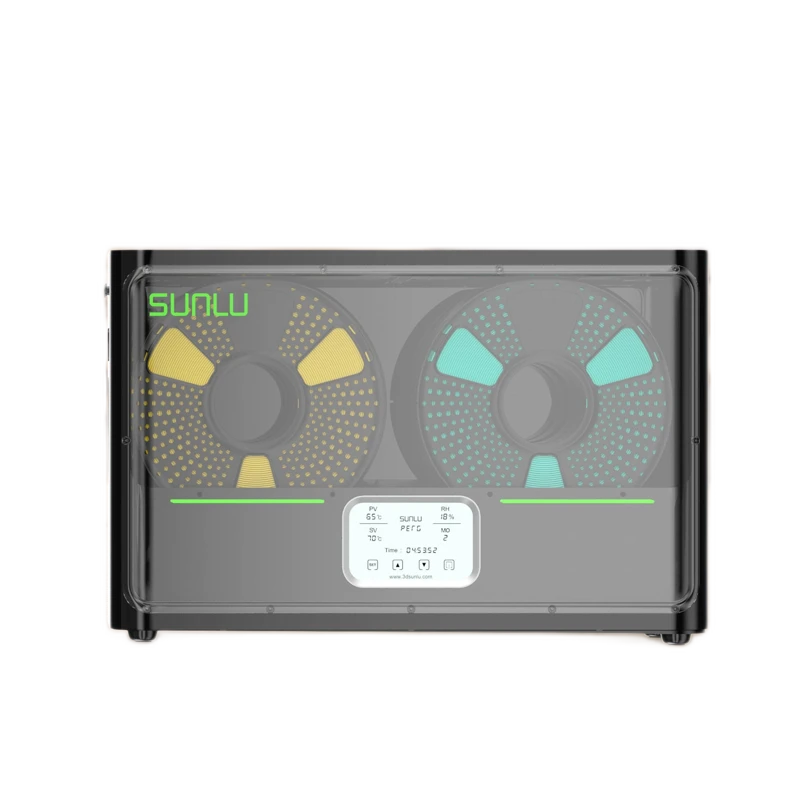
SUNLU FilaDryer S4

EIBOS Cyclopes
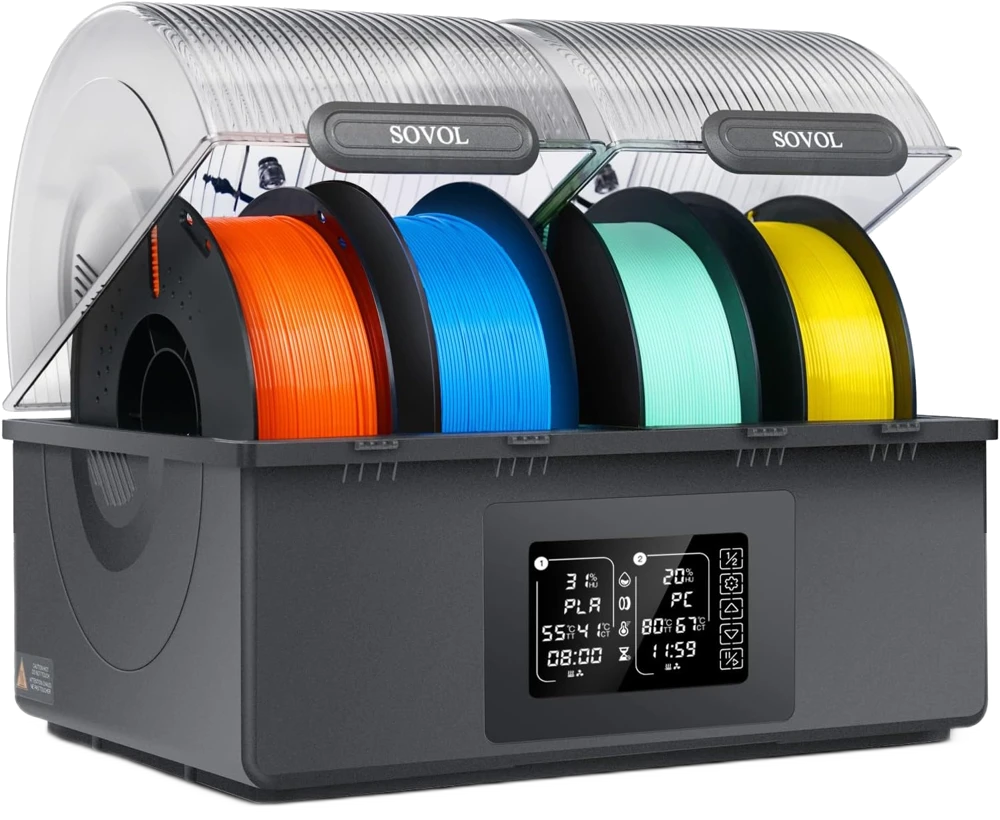
Sovol SH03