
PolyMax PLA review: a toughness-focused roll that still needs smooth feeding
At a glance
A useful candidate for tougher PLA parts; the 750 g package and spool-handling reports deserve attention before repeat purchases.

The material & format
- Toughness-focused PolyMax PLA formulation
- Selected black, 1.75 mm, 750 g spool
- Compare cost per mass rather than spool price alone
Why consider it
- Encouraging toughness and bending behavior for PLA.
- Good results without abandoning a PLA workflow.
What to weigh up
- Reel drag and knots can interrupt otherwise good printing.
- The selected spool contains 750 g, not 1 kg.
- Toughness does not establish heat suitability.
PolyMax PLA is a candidate when you like a PLA workflow but want a less brittle result. Its most useful feedback concerns bending and toughness, rather than a special surface effect. The tradeoff is not only price: the selected roll is smaller than a standard one-kilogram spool, and feeding deserves an inspection.
What would make the upgrade worthwhile?
A toughness problem in an otherwise suitable PLA part. That is a clearer reason to try PolyMax than simply looking for a filament described as strong. Check whether the actual failure is brittle fracture, poor layer bonding, heat distortion or feed interruption before changing materials.
Matched accounts describe useful bend resistance and good printed integrity, consistent with the manufacturer’s focus on ductility. These are encouraging observations, not a measured load rating for your geometry.
Check the whole 750 g workflow
- Before buying: compare equal filament mass, because this offer is 0.75 kg.
- Before loading: make sure the cardboard reel turns freely on the holder.
- Before repeating the job: inspect the actual failure mode in a representative part.
One critical account liked the printed strength but described holder friction drawing filament toward the spool side. Another reported knots. Those experiences do not negate the material benefit, but they matter if the reason for buying is fewer interrupted jobs.
Pros & Cons Analysis
Based on supplied customer reviews and verified product documentation
Pros
- The reason to pay attention is ductility. Matched feedback describes parts that feel less brittle and tolerate bending. This supports a trial for toughness-led PLA work, but does not establish a quantified impact or fatigue rating.
- Printability remains part of the appeal. Successful adhesion and familiar slicer-profile experiences suggest that improved toughness need not mean an engineering-material setup. Validate your part rather than assuming every profile transfers.
Cons
- Material quality and spool handling are separate. Critical accounts describe friction on a holder and tangled feeding despite liking the printed part. Inspect rotation and the filament path before an unattended run.
- Normalize package value. A lower total spool price can still cost more per kilogram. Compare the same mass and current offer rather than relying on historical value comments.
- Keep service temperature outside the strength impression. Customers distinguish tough behavior from PLA-like softening. No customer temperature anecdote is used here as a verified heat rating.
Choose PolyMax for the failure mode it can plausibly address
PolyMax PLA is worth testing when brittle behavior is the problem and PLA remains suitable for the operating conditions. Keep the trial small enough to check both the part and the reel.
The part needs more give before breaking
Compare a representative PolyMax print with your existing material using the same geometry and orientation.
The problem is heat or a catching spool
Address that requirement directly. A toughness-focused formulation alone will not resolve either cause.
Frequently Asked Questions
How much filament is in the selected PolyMax PLA offer?
The captured black 1.75 mm offer contains 0.75 kg. Compare equivalent mass when assessing value.
Is toughness the same as heat resistance?
No. A part can resist brittle fracture yet soften under heat. Verify service conditions separately.
Technical Specifications
| Product type | PLA-based filament |
|---|---|
| Reviewed formulation | PolyMax PLA; selected black |
| Nominal filament diameter | 1.75 mm |
| Manufacturer diameter tolerance | ±0.02 mm stated in captured listing; not independently measured |
| Package format | 0.75 kg spool |
| Nozzle guidance | Manufacturer starting range: 190–230°C nozzle; 25–60°C bed. Match the printer and build surface. |
| Material care | Use the current roll’s documented drying guidance; no temperature verified here |
| Variant / handling limit | Toughness-focused PLA, not a high-temperature material qualification |
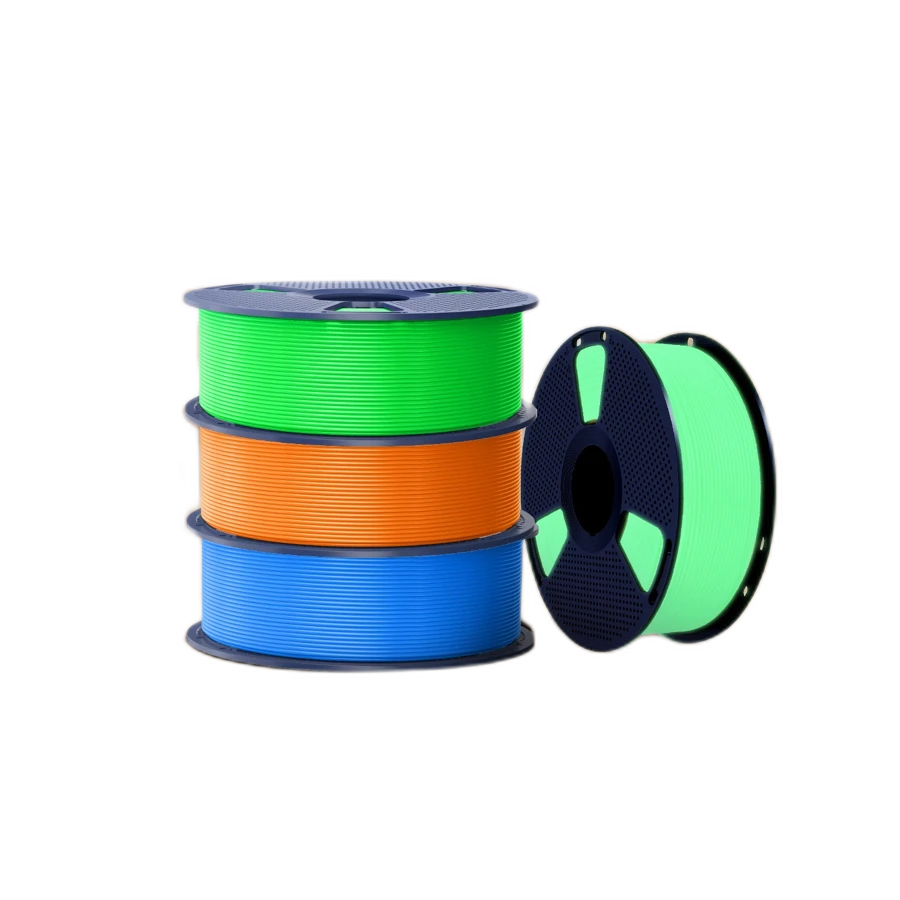
SUNLU Glow PLA

Polymaker PolyLite PLA

ELEGOO Rapid PLA Plus

PolyLite CosPLA Version A