
eSUN PETG Basic review: smooth routine printing with a moisture plan
At a glance
An everyday PETG candidate with favorable feeding and adhesion feedback; arrival condition does not eliminate the need for dry storage.

The material & format
- Selected solid-black 1 kg PETG Basic spool.
- 1.75 mm filament; not PETG-CF.
- Current manufacturer guidance includes material drying.
Why consider it
- Smooth winding and feeding across reported repeat purchases.
- Good adhesion and print appearance in the usable feedback.
What to weigh up
- Exposure-related moisture trouble remains a reported concern.
eSUN PETG Basic has a practical case as a repeat-use material: the detailed feedback describes well-wound rolls and straightforward feeding across four purchases, with a separate successful A1 mini result. The evidence is less useful as an argument for replacing a PETG that already prints reliably.
Restocking or switching brands?
Which purchase are you making?
You already have a successful PETG Basic profile
Restocking preserves a known routine; check that the formulation and pack still match.
You want to replace a reliable PETG
Compare delivered cost and preparation time. No measured speed or durability upgrade is established here.
You are buying your first PETG
Include storage and a suitable drying method in the plan instead of judging the spool price alone.
After opening: keep the successful routine
The repeat-purchase experience required no initial drying, while another report describes rapid moisture uptake. Both can occur under different exposure and printing conditions. Neither gives an absorption rate or proves the condition of the roll you receive.
When a new spool prints well, preserve that profile and store the unused material appropriately. If its behavior changes later, compare the current condition and setup with the successful run; changing the profile, plate and moisture preparation together obscures the cause.
Pros & Cons Analysis
Based on supplied customer reviews and verified product documentation
Pros
- Repeat purchases provide a useful handling signal. The detailed account describes four orderly rolls feeding without difficulty. That is more relevant to routine use than generic praise, while still falling short of a production reliability measurement.
- Successful prints include a named compact printer. The A1 mini result and other adhesion feedback support a practical trial. They do not verify every automated feeder or build-surface combination.
Cons
- Arrival condition is not a storage strategy. Clean printing without initial drying and a separate moisture complaint coexist. Keep the material protected and evaluate changes in your own conditions rather than assuming every new roll is either wet or permanently dry.
A sensible routine spool if you can manage its condition
A restocking candidate, not a demonstrated performance upgrade. PETG Basic is attractive when routine feeding and repeatable everyday prints are your priorities. Keep a working alternative if switching would add preparation time without a clear cost or finish benefit.
What would make the change worthwhile?
Compare the cost of the same usable part, including any extra drying or failed prints. A cheaper roll is only helpful if the resulting workflow suits you.
Frequently Asked Questions
Must every new roll be dried before it will print?
The feedback differs. Some rolls printed directly from their packaging, while moisture-related problems were also reported. Follow the supplied guidance and assess the actual condition.
Technical Specifications
| Product type | PETG filament |
|---|---|
| Reviewed formulation | eSUN PETG Basic |
| Nominal filament diameter | 1.75 mm |
| Manufacturer diameter tolerance | Not verified for the selected offer |
| Package format | Solid Black 1 kg |
| Nozzle guidance | 240–260°C on current page; bed: 75–90°C on current page; match plate |
| Material care | Current page: 60°C for more than 8h; respect supplied spool limits |
| Variant / handling limit | A1 mini use reported; exact feeder fit must be checked |

eSUN PETG Matte
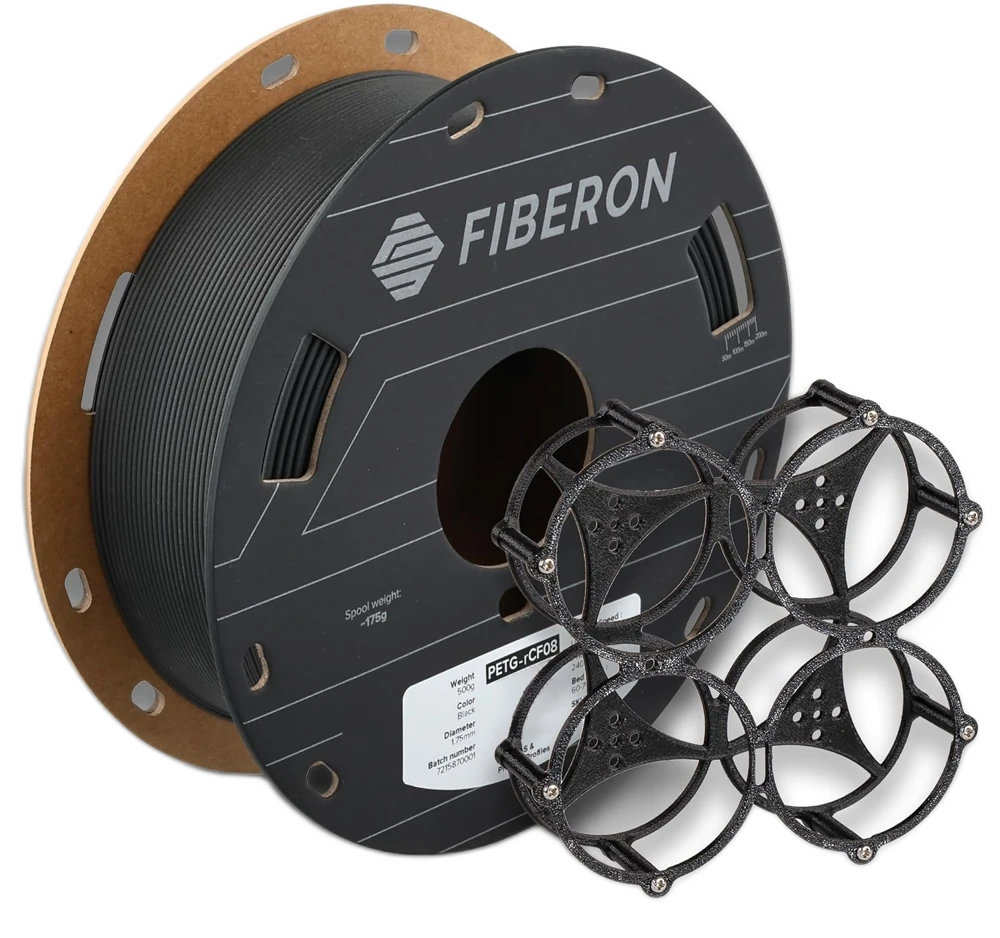
Fiberon PETG-rCF08

ELEGOO Rapid PETG
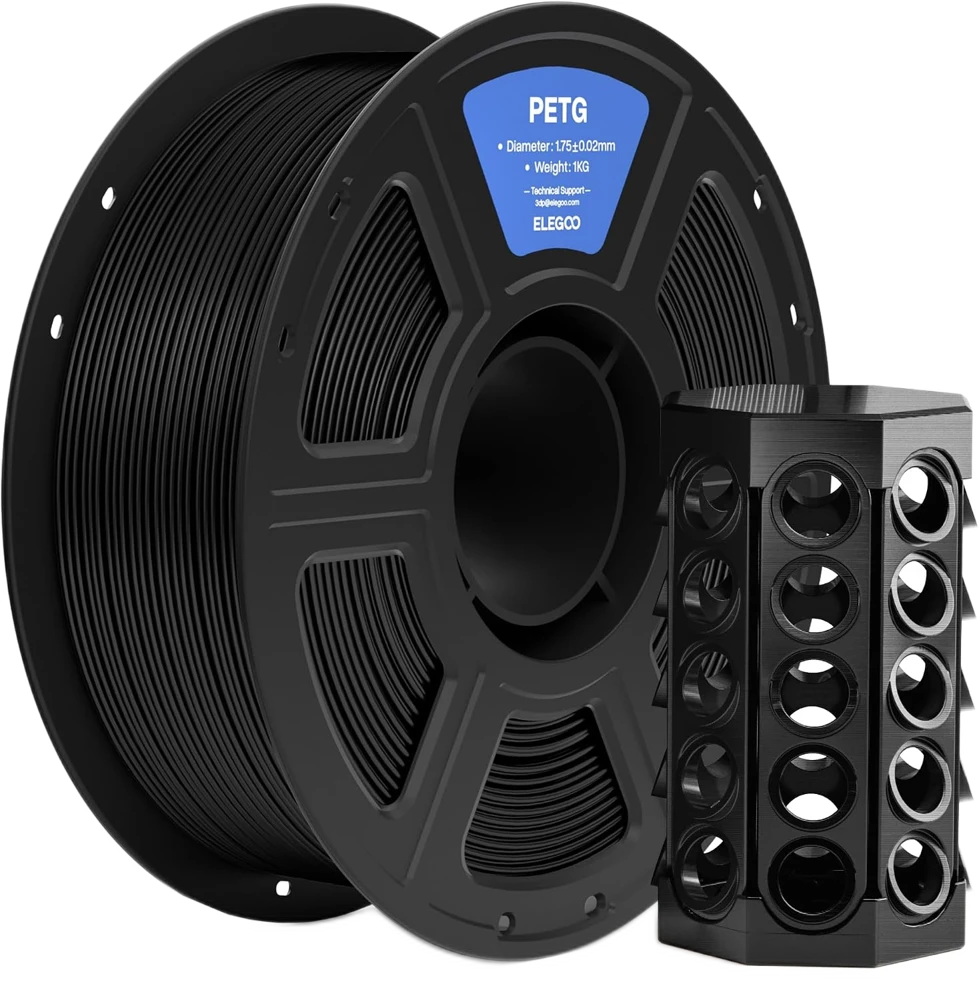
ELEGOO PETG