
Slice Boron Nitride Paste review: useful thermal contact, with drying and dispensing to plan
At a glance
Matching feedback favors thermal-contact work and cleanup; sudden syringe discharge and the required drying stage are recurring practical issues.
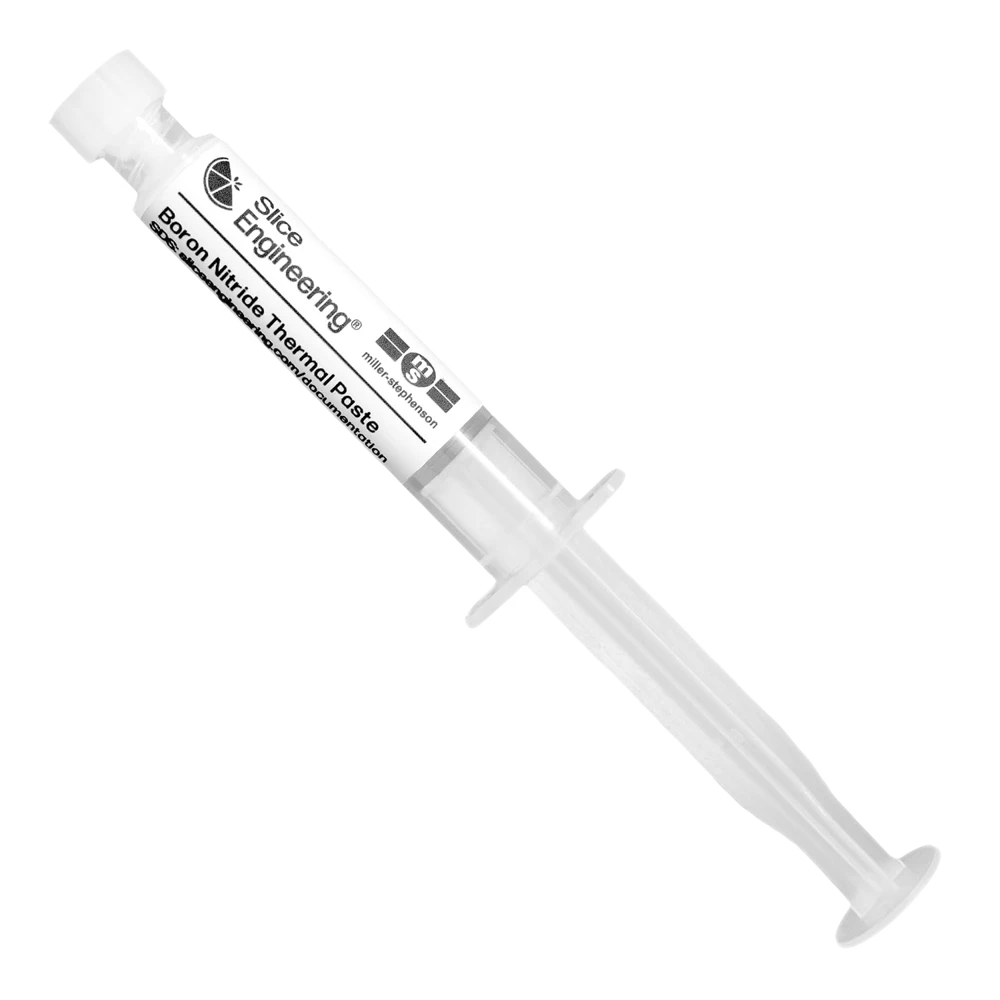
The setup
- Boron nitride thermal-interface paste
- Selected 5 cc syringe
- Requires manufacturer-directed drying
Why consider it
- Matching maintenance reports favor improved thermal contact.
- Water cleanup makes small maintenance jobs manageable.
What to weigh up
- The syringe can release more material than intended.
- The drying stage cannot be skipped.
Slice Boron Nitride Paste is a maintenance consumable for specified thermal interfaces. Its value depends on correct placement and preparation, not on coating every hot part indiscriminately.
Plan the job in three stages
- Confirm the application point. Use the component maker’s procedure.
- Control the dispense. Matching feedback repeatedly describes a sudden release after resistance at the tip.
- Complete the drying stage. Follow current Slice instructions before returning to normal operating conditions.
What improved heating can and cannot prove
Matching maintenance accounts describe steadier temperature behavior. Reassembly, sensor seating and interface condition may also have changed, so those reports do not isolate a measured paste-only improvement.
The water-based form also distinguishes this product from Slice Thin Film Thermal Grease. Choose the specified compound rather than substituting products because both improve thermal contact.
Confirm the hotend and replacement-component fit before applying paste to any contact surface.
Pros & Cons Analysis
Based on supplied customer reviews and verified product documentation
Pros
- The useful job is filling an approved interface. Accounts describe steadier heating after reassembly and use around heater or sensor interfaces. The full maintenance procedure changed too, so no isolated numerical performance gain is claimed.
- The handling has a practical upside. Matching users describe easy cleanup. Follow the actual component procedure rather than treating that as permission to wet assembled electronics.
Cons
- Dispensing deserves preparation. Several matching accounts describe a dry tip followed by a sudden discharge. Protect the work area and follow the current handling instructions before approaching the component.
- This is not ordinary thermal grease. A detailed account describes problems before recognizing the water-based paste needed drying. Slice’s own instructions confirm a drying step before normal use.
A useful compound when the procedure calls for it
Choose the paste for an approved thermal-interface job and allow for careful dispensing and drying. Its best use is a correct maintenance procedure, not a speculative coating added everywhere.
Frequently Asked Questions
Is it ready for full-temperature use immediately after application?
Follow the manufacturer’s drying procedure first. The paste is water-based and is not handled like ordinary grease.
Can it replace every thermal grease?
No. Match the compound to the component’s specified application and procedure.
Technical Specifications
| Product type | Thermal-interface paste |
|---|---|
| Selected quantity | 5 cc |
| Form | Water-based boron nitride paste |
| Application | Approved heater/sensor interfaces |
| Preparation | Allow to dry overnight, or heat to 90°C for 10 minutes per Slice. Do not exceed 100°C during drying; obey the component assembly procedure. |
| Cleanup | Water-based cleanup per manufacturer |
| Not interchangeable with | Thin Film Thermal Grease |
| Important limit | Use only at component-approved application points |
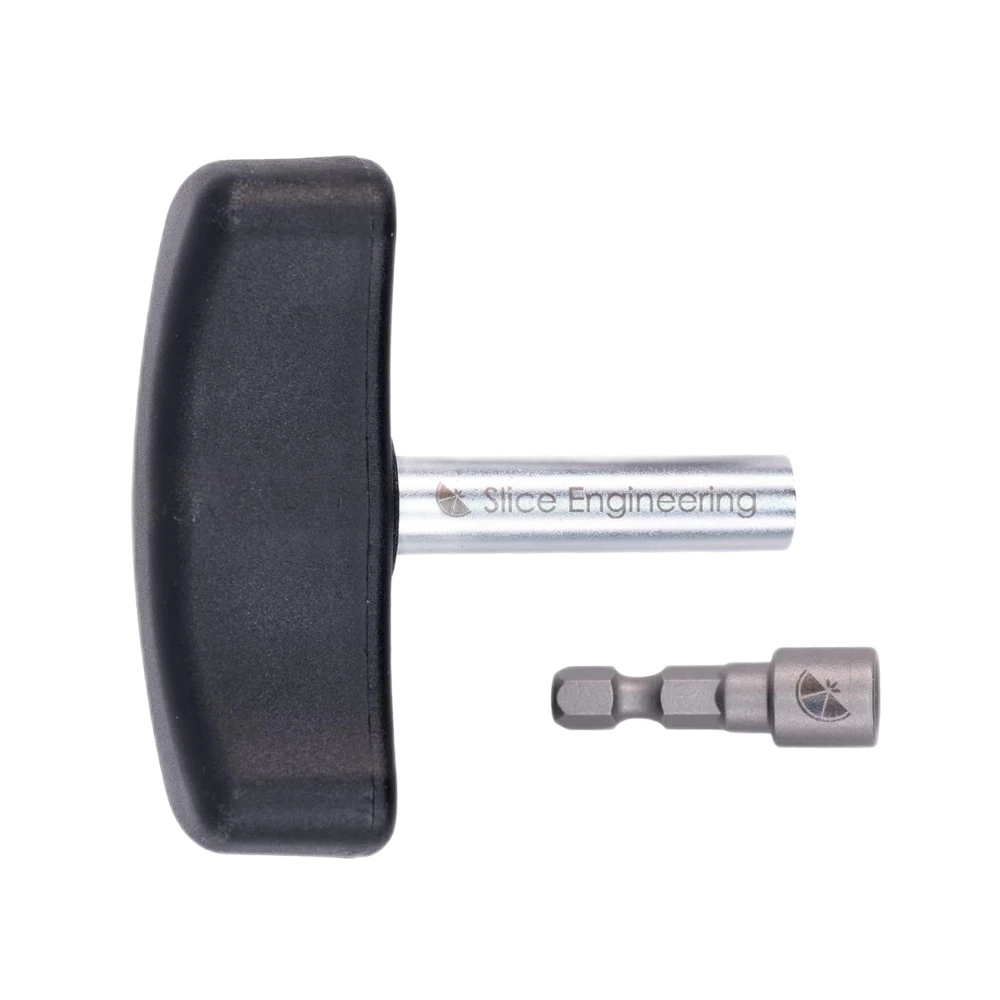
Slice 1.5 Nm Nozzle Torque Wrench
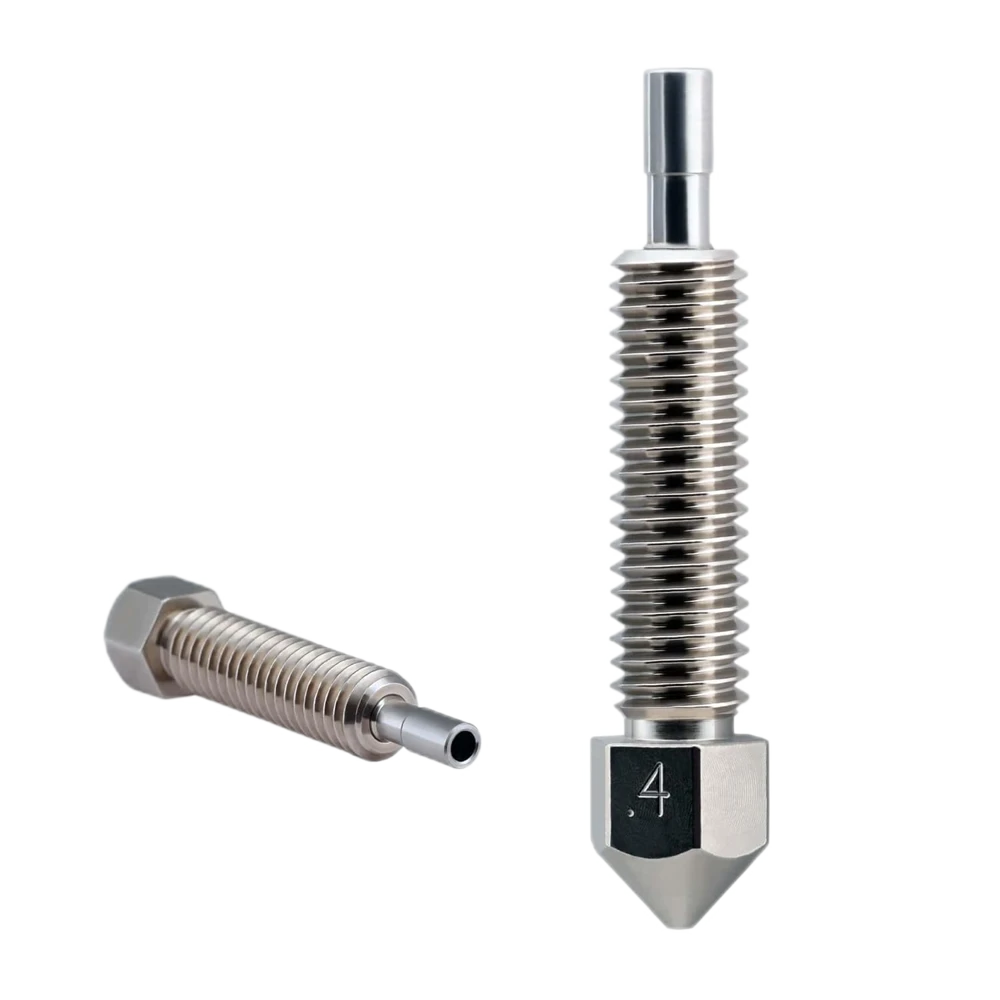
Micro Swiss FlowTech Brass 0.4 mm

E3D Revo High Flow ObXidian 0.4 mm
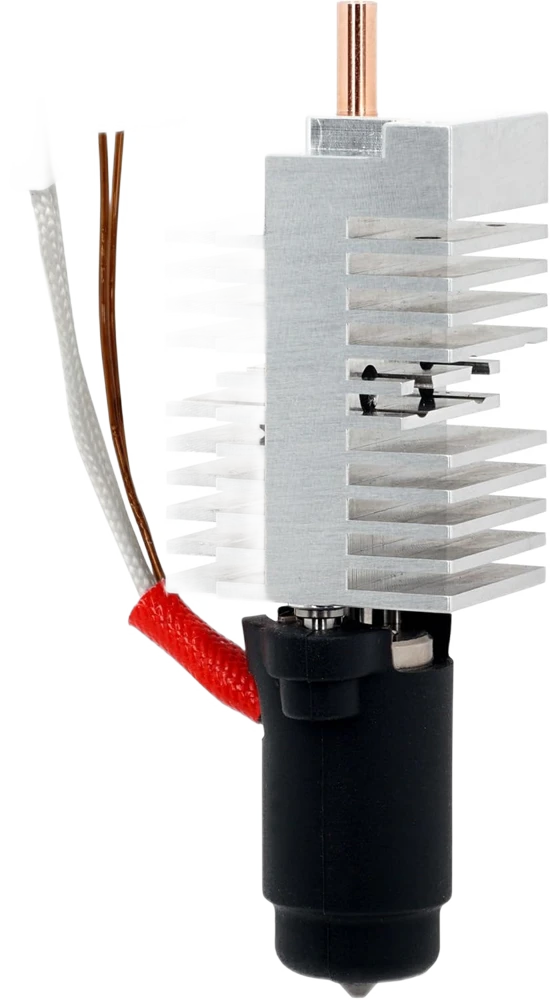
Micro Swiss FlowTech K2 Plus